
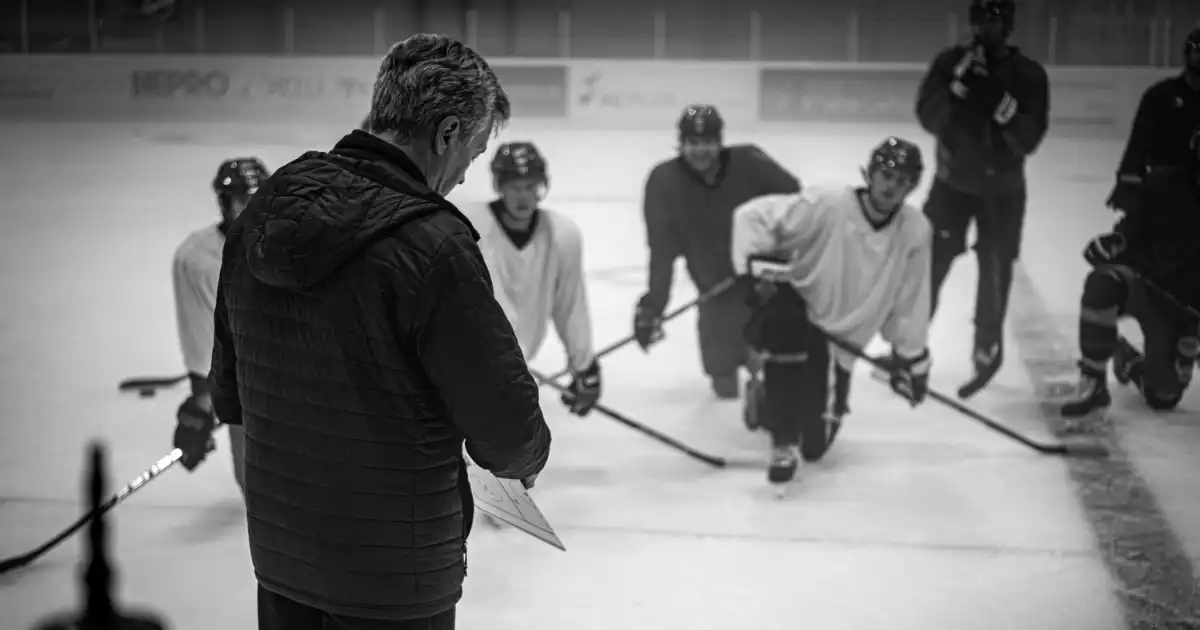
When fans think about what makes a hockey team successful, the spotlight usually falls on the players scoring goals, making spectacular saves, or delivering game-changing hits. Coaches receive plenty of recognition as well for developing strategies and managing the bench throughout every game. The unsung heroes behind every hockey team work tirelessly behind the scenes to support players, coaches, and the organization. Without them, teams at every level would struggle to perform at their best. These unsung heroes rarely appear in highlight reels, but without them, teams at every level would struggle to perform at their best.
From youth hockey associations to professional organizations, countless individuals dedicate their time, expertise, and passion to supporting players. Their work often goes unnoticed because everything runs smoothly, but each role contributes to creating a successful hockey environment.
The People Who Keep Players Ready
Equipment Managers: Keeping Players Game Ready
Equipment managers are among the busiest people in any hockey organization. Long before players step onto the ice, they sharpen skates, repair equipment, organize uniforms, prepare sticks, and make sure every piece of gear is ready for practices and games. During competition, they quickly replace broken sticks, repair damaged equipment, and solve unexpected problems so players can stay focused on hockey.
Although fans rarely notice their work, equipment managers help eliminate distractions and ensure players have confidence in their gear every time they step onto the ice.
Athletic Trainers and Medical Staff
Hockey is one of the most physically demanding sports, making athletic trainers and medical professionals an essential part of every team. They treat injuries, develop rehabilitation plans, monitor player health, and work to reduce the risk of future injuries through preventative care.
Depending on the level of hockey, medical staff may include physicians, physical therapists, massage therapists, and other specialists who help players recover throughout the season and return safely after injuries.
Strength and Conditioning Coaches
Much of a player’s preparation happens away from the rink. Strength and conditioning coaches design year-round training programs that improve strength, balance, mobility, endurance, and explosive power while helping reduce injury risk.
Their work often begins months before the season starts and continues well after the final game has been played, ensuring players are physically prepared for the demands of hockey.
The Strategic Minds Behind the Bench
Video Coaches: Finding the Small Details
Technology has become a major part of modern hockey, and video coaches play an increasingly valuable role. They review shifts, faceoffs, breakouts, defensive coverage, and special teams sequences to help coaches prepare game plans and identify areas for improvement.
Players also benefit from video sessions by seeing their own decisions and positioning, allowing them to make adjustments that might not be obvious during live play.
Scouts: Building the Team’s Future
Successful organizations are built years in advance, and scouts help make that happen. They spend hundreds of hours watching games, evaluating players, and identifying talent that fits an organization’s needs.
Whether they are scouting future draft picks, recruiting players, or evaluating free-agent prospects, their recommendations often influence a team’s success for many seasons.
Keeping the Team Moving
Travel Coordinators: Managing Life on the Road
Travel can become incredibly complicated during a hockey season. Flights, hotels, buses, practice schedules, meals, and equipment transportation all require careful planning, especially for junior, collegiate, and professional teams.
Travel coordinators handle these logistics so coaches and players can concentrate on preparing for games instead of worrying about schedules and transportation.
Front Office Staff
Behind every hockey organization is a front office managing responsibilities that fans rarely see. Staff members oversee ticket sales, sponsorships, marketing, budgeting, community outreach, and many other administrative tasks that keep the organization operating successfully.
Their work helps provide financial stability while building strong relationships with fans, sponsors, and the local community.
The Community That Makes Hockey Possible
Volunteers: The Backbone of Youth Hockey
Youth hockey relies heavily on volunteers. Parents and community members organize fundraisers, keep score, operate the game clock, coordinate tournaments, communicate with families, and perform countless other jobs that keep organizations running.
Without these volunteers donating their time, many youth hockey associations simply could not exist.
Billet Families: A Home Away From Home
In junior hockey, many players leave home to pursue opportunities in another city. Billet families open their homes by providing housing, meals, encouragement, and a stable environment throughout the season.
These relationships often become much more than temporary living arrangements, with many players staying connected to their billet families long after their playing careers continue elsewhere.
The People Who Make Every Game Happen
Officials: Keeping the Game Fair
Officials deserve recognition for the role they play in every game. Referees and linespersons enforce the rules, help maintain player safety, and ensure games are played fairly from the opening faceoff to the final buzzer.
While difficult calls often receive the most attention, consistent officiating is essential to the integrity of hockey at every level.
Arena Staff: Creating the Game-Day Experience
Many people work behind the scenes to create an enjoyable game-day experience. Ice technicians carefully maintain the playing surface between periods, custodians keep facilities clean, concession workers serve fans, and security personnel help ensure everyone enjoys a safe environment.
Although much of their work happens outside the spotlight, every successful game depends on these dedicated employees.
Photographers, Broadcasters, and Content Creators
The stories of hockey are shared through photographers, broadcasters, social media managers, and team content creators. They capture memorable moments, provide game coverage, produce interviews, and keep fans connected throughout the season.
Their work not only strengthens the relationship between teams and supporters but also helps introduce new fans to the sport.
Every Team Is Bigger Than the Roster
The next time you watch a hockey game, remember that the players on the ice represent only one part of what makes a team successful. Behind every win are countless hours of preparation from people whose names rarely appear in headlines but whose contributions are essential to every practice, game, and season.
Hockey has always been celebrated as the ultimate team sport, and that team extends far beyond the players wearing jerseys. From equipment managers and trainers to volunteers, billet families, arena staff, and many others working behind the scenes, the unsung heroes behind every hockey team help make the game possible. Their contributions may never appear on the scoresheet, but they are an important part of every successful hockey team.