
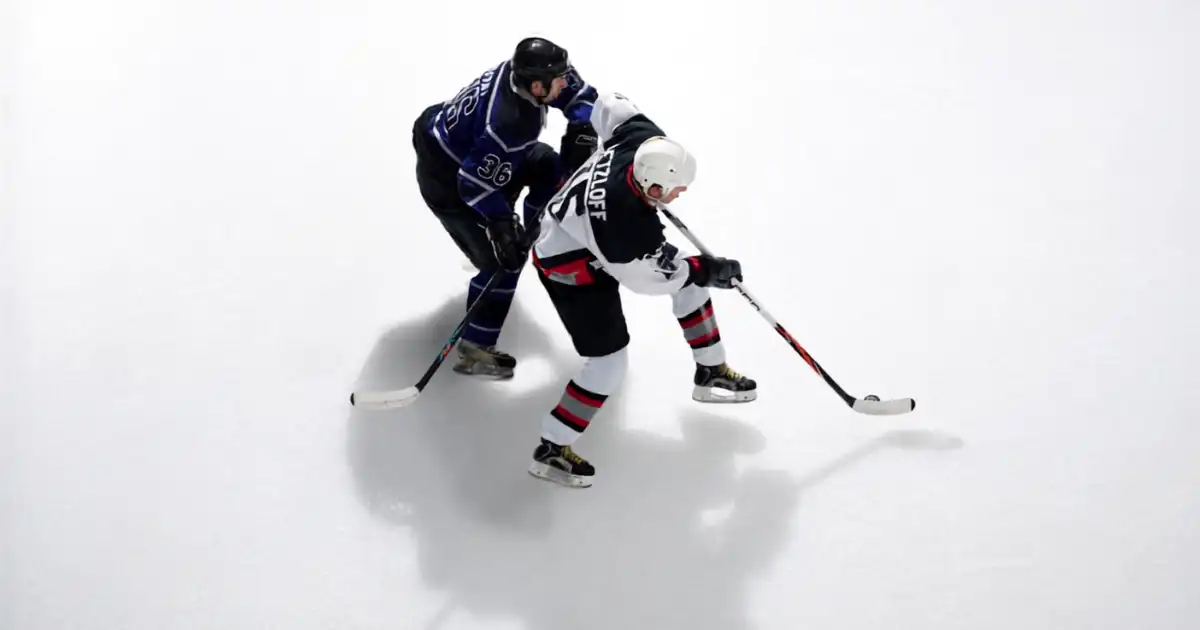
Body contact is part of what makes hockey such a fast, physical, and exciting sport. Strong defensive plays, battles along the boards, and shoulder-to-shoulder contact are all expected at many levels of the game. At the same time, hockey has clear rules designed to separate legal physical play from dangerous actions that put players at unnecessary risk.
Understanding the difference between dangerous and legal body contact helps players compete more effectively, avoid penalties, and create a safer environment for everyone on the ice.
Why Body Contact Exists in Hockey
Physical contact is a natural part of hockey because players compete for limited space while skating at high speeds. Defenders use positioning and body strength to separate opponents from the puck, while puck carriers try to protect possession and create scoring opportunities.
Legal body contact allows players to protect the puck, separate an opponent from possession, establish defensive positioning, win battles along the boards, and compete for loose pucks. The objective is always to make a legitimate hockey play rather than simply deliver a hard hit.
What Makes Body Contact Legal?
Legal body contact generally occurs when a player makes contact with an opponent who is actively involved in the play. While the exact rules vary slightly between leagues, several principles remain consistent.
The Opponent Has the Puck
A player who has possession of the puck, or has just released it, may be legally contacted within the timing allowed by the rulebook.
A defender cannot simply target a player who has been out of the play for several seconds. While the exact timing varies by league and the circumstances of the play, officials generally allow contact only within a reasonable amount of time after the puck has been played.
The Contact Is Controlled
Legal contact is delivered under control rather than with reckless force. Players are expected to maintain balance and avoid unnecessary violence.
A solid shoulder check can be completely legal if it is delivered properly and within the rules.
The Contact Is Made With the Body
In leagues that permit body checking, legal checks are generally delivered using the shoulder, hips, or trunk of the body while keeping the arms tucked in. Leading with the elbow, forearm, knee, or stick often results in a penalty.
The Intent Is to Play Hockey
Officials primarily judge the action itself, including whether the contact was part of a legitimate hockey play or an illegal attempt to deliver unnecessary force.
Big hits are not automatically illegal. Likewise, smaller collisions can still result in penalties if they violate the rules.
What Makes Body Contact Dangerous?
Dangerous body contact usually involves actions that create an unnecessary risk of injury.
Some of the most common examples include:
Checking From Behind
Pushing or checking an opponent from behind can send them violently into the boards, especially when they cannot protect themselves.
This is one of hockey’s most heavily penalized infractions because it carries a high risk of serious injury.
Boarding
Boarding occurs when a player causes an opponent to be thrown dangerously into the boards. Officials consider both the amount of force used and how vulnerable the opposing player was at the moment of contact. Depending on the severity of the hit, the penalty may range from a minor penalty to a major penalty and game misconduct.
Head Contact
Many leagues now place significant emphasis on reducing contact to the head. A hit where the head is the main point of contact may result in a major penalty, game misconduct, or suspension, depending on the circumstances and the rulebook being used.
Charging
A player who takes excessive strides or travels an excessive distance to deliver a hit may be penalized for charging.
Even if initial body contact appears legal, the manner in which the hit is delivered can make it illegal.
Elbowing and Kneeing
Extending an elbow or knee into an opponent greatly increases the risk of injury and is almost always penalized.
Not Every Collision Is a Penalty
Hockey is played in tight spaces at high speed. Players often collide accidentally while racing for loose pucks or changing direction.
Officials recognize that incidental contact is part of the game. Simply falling down or experiencing a hard collision does not automatically mean a rule has been broken.
The official must determine whether the contact resulted from a legal hockey play or an illegal action.
Body Contact vs. Body Checking
These terms are often used interchangeably, but they are not always the same.
Many youth and recreational leagues allow body contact while prohibiting body checking.
In these leagues, players may use their bodies to maintain position, angle opponents away from the puck, and compete for space. Simply using their body to maintain position or angle an opponent off the puck is generally considered body contact, while intentionally driving through an opponent to separate them from the puck is typically considered body checking.
This distinction allows players to learn positioning and puck protection skills while reducing unnecessary collisions.
Officials Consider the Entire Play
Referees rarely judge a hit based on one factor alone.
Instead, they evaluate the entire sequence of the play. Officials consider whether the opponent had possession of the puck, the angle and point of contact, the amount of force used, whether the opposing player was in a vulnerable position, whether the player delivering the hit remained under control, whether there was an attempt to minimize or avoid contact once that vulnerability became apparent, and whether the contact served a legitimate hockey purpose.
A clean, hard check can be perfectly legal, while a lighter hit may still deserve a penalty if it targets a vulnerable opponent or violates the rules.
Playing Physical Without Crossing the Line
Players who understand the rules can still play an aggressive style without taking unnecessary penalties.
Good positioning, active stick work, proper angling, and smart defensive play often separate players from the puck just as effectively as a big hit. The best defenders consistently force turnovers by making intelligent hockey plays rather than relying solely on physical strength.
Playing under control not only keeps players out of the penalty box but also earns the trust of teammates and coaches.
Final Buzzer
The difference between dangerous and legal body contact comes down to control, timing, and the nature of the play. Legal contact helps players compete for the puck and defend effectively, while dangerous contact exposes opponents to unnecessary injury and violates the rules.
Hockey will always be a physical game, but the rules exist to ensure that physical play remains fair and as safe as possible. Knowing the difference between dangerous and legal body contact helps players make smarter decisions, avoid unnecessary penalties, and compete with confidence while respecting both the game and their opponents.