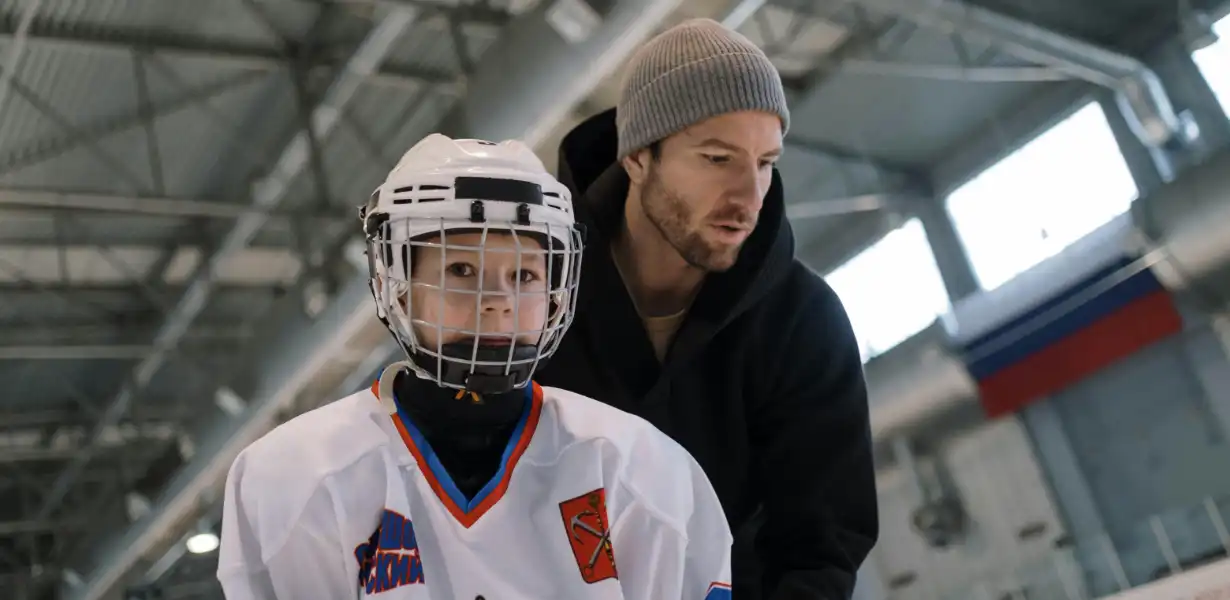
Hockey is one of the fastest and most physical sports on the planet. Stepping onto the ice without the right protection is not an option. From beginner players learning edge work to seasoned veterans chasing championships, every player needs dependable equipment built for speed, safety, and control.
If you are asking what gear do you need to play hockey, this guide breaks down every essential piece of equipment needed before your first shift. We will cover protective gear, fit tips, stick selection, and a few extras that make life easier at the rink.
Why Proper Hockey Equipment Matters
Hockey combines hard ice, fast skating, flying pucks, and constant contact. Good equipment protects players from injuries while helping them move comfortably and confidently.
Wearing properly fitted gear can help with:
- Mobility on the ice
- Shot protection
- Balance and skating control
- Confidence during contact
- Overall performance
Many first-time players buy gear piece by piece. Understanding the purpose of each item makes the process easier and keeps you from overspending on equipment you may not need right away.
Hockey Helmet
A helmet is the most important item on your hockey equipment checklist. Modern hockey helmets are designed to absorb impact during falls, collisions, and puck contact.
Look for a helmet with:
- HECC or CSA certification depending on league requirements
- Adjustable sizing
- Comfortable interior padding
- Strong chin strap support
- Proper ventilation
Most leagues require a full cage or shield for younger players and recreational leagues. Full cages offer the highest level of protection for beginners.
Helmet Fit Tips
Your helmet should sit snugly without pressure points. It should not slide around when you shake your head. A loose helmet cannot properly protect against impact.
Hockey Skates
Skates are the foundation of every hockey player’s game. Good skates improve speed, edge control, balance, and stopping power.
When shopping for skates, focus on:
- Proper ankle support
- Comfortable fit
- Blade quality
- Boot stiffness
- Weight
New players often buy skates that are too large. Hockey skates should fit tighter than regular shoes while still allowing circulation.
Skate Sharpening
Freshly sharpened blades improve grip on the ice. Most players sharpen skates every few sessions depending on ice time and skating style.
Shoulder Pads
Shoulder pads protect the chest, shoulders, collarbone, and upper back. Even non-checking leagues can involve accidental collisions or blocked shots.
Modern shoulder pads are lighter and more mobile than older styles. Players should look for protection without sacrificing movement.
Choosing the Right Shoulder Pads
Forwards often prefer lightweight pads for speed and agility. Defensemen may choose heavier protection due to shot blocking and increased physical play.
Elbow Pads
Elbow pads protect the elbow joint and forearm during falls and contact. Since hockey players spend plenty of time battling along the boards or diving for loose pucks, elbow protection matters more than many beginners realize.
A good elbow pad should:
- Stay in place during movement
- Fully cover the elbow cap
- Fit securely under shoulder pads and gloves
Loose elbow pads can slide during play and expose the arm to injury.
Hockey Gloves
Hockey gloves protect the hands, fingers, and wrists while maintaining stick control. Gloves take abuse from stick checks, blocked shots, and falls throughout every game.
Players usually choose between:
- Tapered fit gloves for tighter control
- Traditional fit gloves for extra room
- Contoured gloves for balanced mobility
Comfort and stick feel are major factors when selecting gloves.
Hockey Pants
Hockey pants protect the hips, thighs, kidneys, and tailbone. Falls on the ice happen quickly, especially for newer skaters, so quality padding is important.
Look for hockey pants with:
- Adjustable waist support
- Strong thigh padding
- Durable shell material
- Tailbone protection
Some players also wear suspenders to keep pants secure during play.
Shin Guards
Shin guards protect the knees, calves, and lower legs from pucks, sticks, and collisions.
Sizing depends on player height and skate size. The shin guard should overlap slightly with the skate tongue while fully covering the knee.
Shin Guard Styles
- Defensemen often prefer longer guards for shot blocking
- Forwards may choose lighter options for mobility
Secure straps are important so guards stay locked in place during skating.
Hockey Socks and Jersey
Hockey socks cover shin guards and are usually secured with Velcro jock shorts or a garter system. Jerseys are worn over shoulder and elbow pads.
Most leagues provide team jerseys, but players often buy practice jerseys for training sessions and stick-and-puck skates.
Breathable materials help keep players cooler during long ice sessions.
Protective Cup or Jill
Every hockey player needs lower-body protection. Compression shorts with built-in cups or jills provide support and safety while skating.
This piece of gear is mandatory in nearly every organized league.
Mouthguard
A mouthguard helps reduce dental and mouth injuries during play.
Some players use boil-and-bite guards while others prefer custom-fitted options from dentists for maximum comfort.
Hockey Stick
No equipment list is complete without the hockey stick. Choosing the right stick can affect shooting, passing, puck handling, and overall feel on the ice.
Stick selection depends on:
- Flex rating
- Blade curve
- Stick length
- Position
- Playing style
Forwards often lean toward lower flex sticks for quicker releases. Defensemen may prefer stiffer options for harder slap shots and durability.
Composite sticks are widely used in modern hockey because they offer lightweight performance and improved puck feel.
Hockey Equipment Bag
Once your gear collection grows, a durable hockey bag becomes essential.
A quality hockey bag should have:
- Strong zippers
- Ventilation panels
- Reinforced straps
- Separate compartments for skates and accessories
Keeping gear organized also helps it dry properly after games and practices.
Extra Hockey Accessories Worth Having
While not mandatory, several accessories can improve comfort and convenience around the rink.
Helpful extras include:
- Skate guards
- Stick tape
- Water bottle
- Base layers
- Equipment drying rack
- Spare skate laces
- Neck guard
- Skate sharpening stone
These small additions can make a big difference over a long season.
How Much Does Hockey Equipment Cost?
Hockey equipment ranges widely in price depending on skill level and brand selection.
Beginner players can often find starter kits or used gear to reduce costs. Higher-end equipment typically features lighter materials and advanced protection systems.
A complete set of new gear may cost anywhere from several hundred dollars to well over a thousand depending on the level of play.
ABHS Hockey Sticks and Gear
Players looking for high-level performance without premium retail pricing often check out All Black Hockey Sticks. We focus on lightweight carbon fiber hockey sticks built for strong puck feel, quick release shooting, and long-term durability at a more affordable price point. Our direct-to-consumer model helps keep pricing accessible for players who want reliable gear without paying top-shelf retail markups. We also offers gloves and additional hockey accessories designed with the same performance-first approach.
Final Buzzer on What Gear You Need to Play Hockey
Understanding what gear do you need to play hockey helps players prepare for the game safely and confidently. Every piece of equipment serves a purpose, from helmets and skates to shin guards and sticks.
Players do not need the most expensive gear to enjoy hockey. The priority should always be proper fit, solid protection, and comfort on the ice. Once you build a dependable setup, you can focus on improving your skating, puck handling, and overall game.
The right equipment gives players the confidence to battle in the corners, block shots, carry the puck through traffic, and enjoy every shift from opening faceoff to final buzzer.