
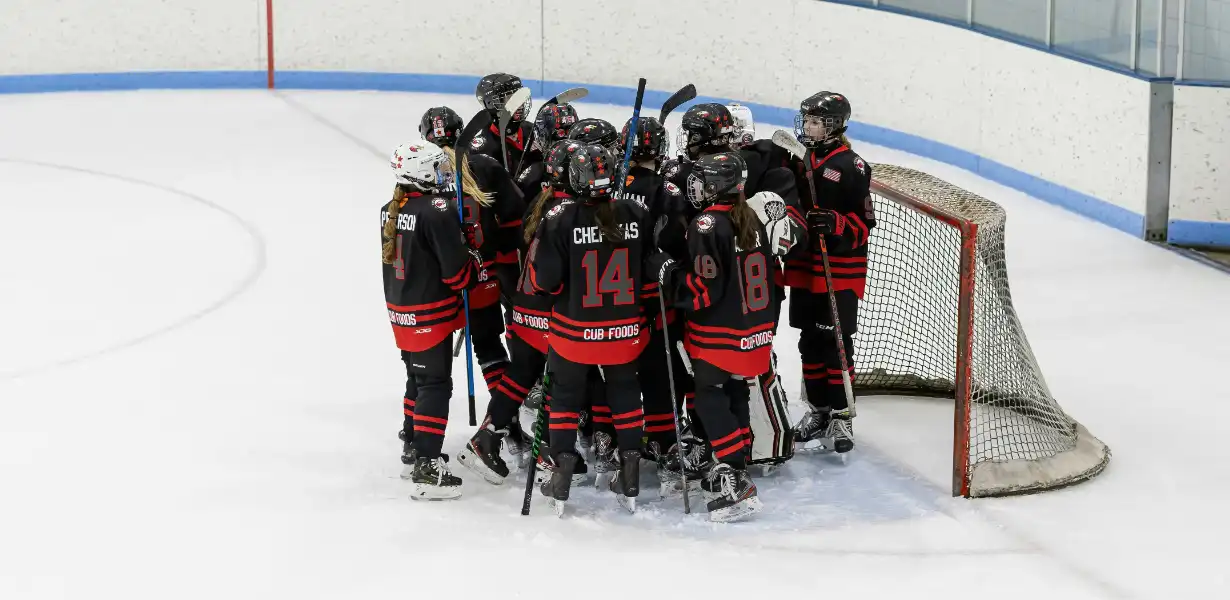
Hockey is one of the fastest and most demanding team sports in the world. Even highly skilled players struggle without strong support from teammates around them. Great teams are rarely successful on talent alone. They are built on trust, communication, effort, and players who consistently support teammates in hockey during every shift.
Supporting teammates is not just about cheering from the bench or celebrating goals. It affects breakouts, defensive coverage, confidence, momentum, and overall team culture. The players who understand this often become some of the most valuable people in the locker room, even if they are not leading the team in scoring.
Learning how to support teammates in hockey consistently can improve team chemistry, communication, and overall performance throughout the season.
Why Communication Helps Support Teammates in Hockey
One of the easiest ways to support teammates in hockey is through communication. Hockey moves too quickly for silence. Players often rely on communication from teammates to make quicker decisions under pressure.
Simple communication on the ice can completely change a play. Calling for passes, warning teammates about incoming pressure, directing defensive coverage, or talking during line changes all help teams stay connected. Good communication also builds confidence because players feel more comfortable making plays when they know their teammates are engaged and aware of what is happening around them.
Communication matters just as much on the bench. Teams that stay connected between shifts often recover faster after mistakes and maintain better focus throughout games.
Support Your Teammates Without the Puck
Many younger players think support only matters when someone has possession of the puck, but hockey support away from the puck is what creates successful plays.
Supporting teammates in hockey often means moving into open space, providing an outlet during breakouts, covering for pinching defensemen, backchecking hard after turnovers, and staying in proper positioning throughout the game. Strong support gives puck carriers more options and reduces pressure across the ice.
Watch teams in the National Hockey League and you will notice how players try to stay connected in all three zones. There is often a nearby passing option because teammates anticipate the play before it fully develops.
Encourage Teammates During Difficult Moments
Every hockey player makes mistakes. Turnovers happen. Missed assignments happen. Goals against happen. The way teammates respond during those moments can completely change the energy of a game.
Good teammates avoid finger-pointing and negativity. Instead, they focus on helping each other recover quickly. Sometimes something as simple as a tap on the pads, encouragement on the bench, or positive communication after a bad shift can make a major difference.
Players who fear criticism can become hesitant, and hesitation often leads to more mistakes. Confident players recover faster and continue making aggressive plays.
Supporting teammates in hockey also means understanding that confidence changes throughout a season. Sometimes the best thing you can do is remind a struggling teammate to keep playing their game.
Work Ethic Supports the Entire Team
Effort is contagious in hockey. When one player consistently backchecks, battles in corners, blocks shots, and finishes shifts hard, teammates notice. High-effort players often raise the standard for the entire group.
You do not need to score goals to support your team effectively. Coaches value players who compete hard, win puck battles, forecheck aggressively, hustle on line changes, and stay disciplined defensively.
Teams often become more difficult to play against when players commit to doing the little things properly. Many championship teams are known for combining work ethic, structure, and skill rather than relying only on star power.
Learn Your Role and Execute It Well
Not every player has the same responsibilities on a hockey team. One of the best ways to support teammates in hockey is by understanding your role and performing it consistently.
Some players are expected to score while others focus on penalty killing, defensive play, physicality, or creating energy shifts. Problems usually happen when players abandon their role trying to do too much individually. Hockey works best when players trust the system and support each other’s responsibilities.
Defensemen support forwards with clean breakout passes. Centers support defensemen low in the defensive zone. Wingers support breakouts along the boards. Goalies support defensemen by communicating puck movement behind the net. Every position relies heavily on teamwork.
Be a Reliable Bench Teammate
Supporting teammates is not limited to on-ice play. Bench habits matter more than many players realize.
Strong bench support means staying engaged during games, keeping positive energy, paying attention to systems and adjustments, encouraging linemates between shifts, and always being ready for quick line changes.
Negative body language spreads quickly in hockey. Frustration, complaining, or disengagement can hurt team morale fast. Reliable teammates help stabilize the bench during difficult stretches of games and help maintain focus when momentum starts to shift.
Leadership Is Not Just for Captains
You do not need a letter on your jersey to support teammates effectively. Leadership in hockey often comes from players who stay calm under pressure, lead through effort, encourage younger teammates, maintain accountability, and keep practices competitive.
Some of the most respected players in hockey are not always the loudest voices in the room. Many earn respect through consistency and professionalism over time.
Teams with strong leadership throughout the lineup often handle adversity better during long seasons.
Support Teammates During Practice
Practices shape team culture just as much as games do. Players who support teammates during practice help everyone improve faster.
That means giving full effort during drills, keeping practice pace high, helping newer players learn systems, staying positive during mistakes, and competing hard without disrespecting teammates.
Good practice habits often lead to better game performance. Teams that take practice seriously often communicate better, make fewer mistakes, and stay more connected under pressure.
Respect Creates Stronger Team Chemistry
Hockey teams spend huge amounts of time together throughout a season, and strong chemistry usually starts with mutual respect.
Supporting teammates in hockey includes respecting different personalities, skill levels, coaching decisions, team systems, and shared goals. Not every teammate will become your best friend, but strong teams learn how to work together effectively.
Respect also means handling frustration maturely. Every team faces losing streaks, tough games, and disagreements during a season. The way players respond during those moments often defines the team’s culture.
Small Habits Make a Big Difference
Many of the best teammate habits seem small individually, but they add up over time. Showing up prepared, being on time, helping pick up equipment after practice, supporting injured teammates, and celebrating teammates’ success all help build trust inside a locker room.
Strong hockey cultures are often built through consistent daily habits rather than emotional speeches alone.
Why Team Support Matters in Hockey
Successful hockey teams are usually connected in every area of the game. Skill matters, but teamwork often determines who wins consistently over a long season.
Players who support teammates in hockey through communication, effort, positioning, encouragement, and leadership become valuable in every locker room. Those habits improve team chemistry, increase confidence, and help teams perform better under pressure.
No matter your skill level or role, becoming a better teammate will always make you a better hockey player.