
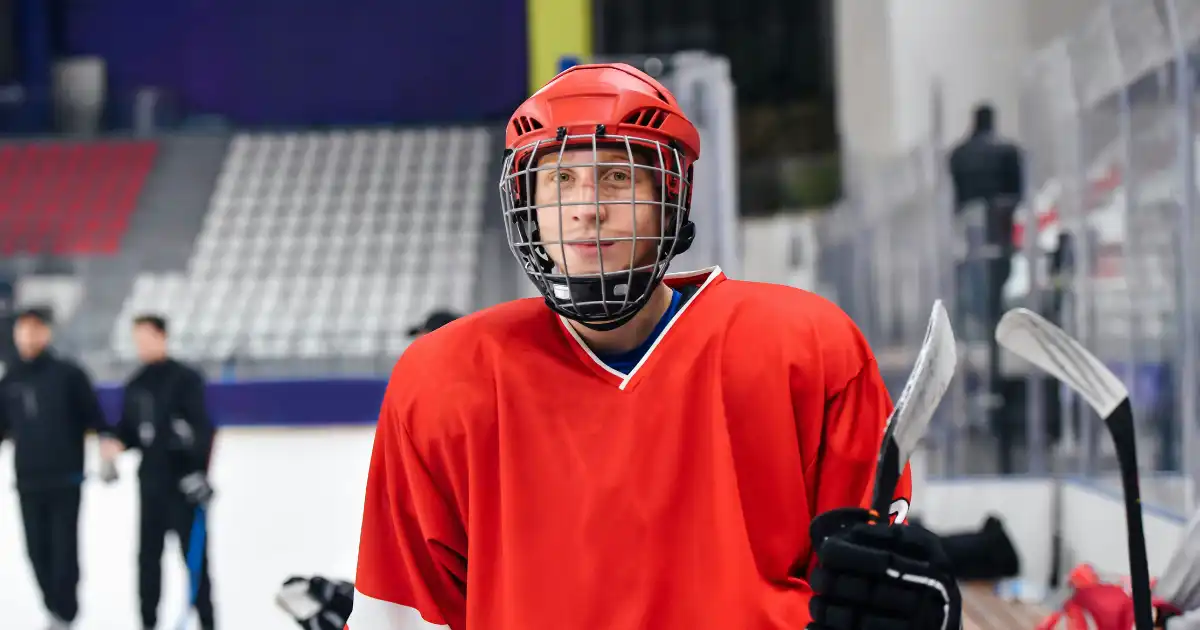
Hockey is one of the most exciting and challenging sports to pick up, and for new players, it’s easy to feel overwhelmed by the sheer pace of the game. From mastering your skating technique to handling the puck, there’s a lot to learn. While it’s important to give yourself grace as a beginner, being aware of common rookie mistakes can help you improve faster, avoid frustration, and build confidence on the ice.
In this article, we’ll cover some of the most frequent errors new players make and provide simple solutions to help you become a better, more well-rounded hockey player. So, strap on your skates and get ready to sharpen your game!
1. Poor Stick Grip and Control
One of the most common mistakes for hockey rookies is improper stick grip. Many new players grip their stick too tightly, hold it at the wrong angle, or place their hands too close together. These mistakes can lead to poor puck control, weak shots, and ineffective passes.
Fix It:
• Learn the proper grip: Your top hand (on the stick’s end) should do most of the work, while your bottom hand provides stability. Maintain a relaxed grip—squeezing the stick too tightly limits movement.
• Hand placement matters: Place your top hand near the knob of the stick and your bottom hand about halfway down the shaft. This gives you the leverage needed for accurate shots and passes.
• Practice stickhandling: Grab a ball or puck and practice dribbling it back and forth using just your top hand. This builds wrist strength and teaches you to control the puck without over-relying on your bottom hand.
2. Over-Skating the Play
New players often think they need to move at full speed all the time, chasing the puck wherever it goes. This can leave them out of position and too tired to contribute effectively. Over-skating leads to wasted energy, missed opportunities, and poor team play.
Fix It:
• Play smarter, not harder: Good hockey players know when to skate fast and when to hold back. Be mindful of your position on the ice and maintain a pace that lets you react to the play.
• Anticipate the puck: Watch the play develop and think ahead. Don’t chase the puck blindly—move to where it’s likely to go.
• Learn defensive positioning: Whether you’re a forward or defenseman, staying in your zone and reading the play is key to keeping up with the game.
3. Ignoring Proper Skating Technique
Skating is the foundation of hockey, but many rookies focus more on puck handling and shooting than on becoming efficient skaters. Poor skating technique can lead to slower movement, awkward turns, and reduced stamina.
Fix It:
• Master the basics: Spend time practicing forward and backward skating, crossovers, and stopping. Work with a coach or watch tutorial videos to refine your technique.
• Bend your knees: Keep your knees bent and your body in a low, athletic position for better balance and power.
• Stride efficiently: Focus on pushing off with the edges of your skates and recovering fully before your next stride. Short, choppy strides waste energy—long, powerful strides are more effective.
4. Forgetting Proper Positioning
In hockey, positioning is everything. Beginners often get caught puck-watching, leaving their opponents open or straying out of their designated areas. This can lead to missed plays or costly goals against your team.
Fix It:
• Understand your role: Learn the responsibilities of your position (center, wing, or defense). This will help you stay in the right areas of the ice.
• Communicate with teammates: Talk to your linemates and listen to your coach during games. Clear communication ensures everyone knows where they need to be.
• Stick to your zone: In your defensive zone, focus on covering your assigned area and the opposing player in your “zone of responsibility.”
5. Neglecting to Keep Your Head Up
Beginners often look down at the puck while stickhandling, which can make them vulnerable to hits, missed passes, and poor awareness of the play around them.
Fix It:
• Keep your eyes up: Practice stickhandling without looking at the puck. Start slow, then build speed as you gain confidence.
• Use your peripherals: Train yourself to glance at the puck with your peripheral vision while keeping your head up to scan the ice.
• Play small-area games: These fast-paced drills force you to react quickly while keeping your head up to see your opponents and teammates.
6. Shooting Without Accuracy
Rookies often focus on power over precision when shooting the puck. While blasting a slap shot into the boards might feel great, it’s not much help if the puck doesn’t hit the net. Poor shot accuracy can lead to missed scoring opportunities.
Fix It:
• Pick your target: Before shooting, aim for a specific part of the net (e.g., top corner, five-hole). Don’t just fire the puck blindly.
• Practice wrist shots: Wrist shots are the most accurate and versatile type of shot for beginners. Work on your form by focusing on weight transfer and a strong follow-through.
• Repetition builds muscle memory: Spend time shooting pucks at home or during practice. The more you shoot, the better your aim will become.
7. Overcommitting on Defense
When playing defense, beginners often rush at opponents in an attempt to steal the puck, leaving themselves out of position. Overcommitting can create gaps in your team’s defense, giving opponents an easy path to the net.
Fix It:
• Stay patient: Instead of lunging for the puck, focus on maintaining good positioning between your opponent and the net.
• Stick on puck, body on body: Use your stick to poke check and disrupt the play while keeping your body between the attacker and your goalie.
• Communicate with your partner: Defense is a team effort. Talk to your defensive partner to coordinate coverage and avoid leaving gaps.
8. Skipping Warm-Ups and Conditioning
Hockey is a demanding sport that requires strength, stamina, and flexibility. Many new players skip warm-ups or neglect off-ice conditioning, which can lead to fatigue, injuries, and slower improvement.
Fix It:
• Stretch before and after games: Dynamic stretches before skating improve mobility, while static stretches after games aid recovery.
• Work on conditioning off the ice: Exercises like squats, lunges, and core workouts build strength, while running or biking improves cardio endurance.
• Practice stickhandling and shooting at home: This helps reinforce skills and builds muscle memory.
9. Not Asking for Feedback
Some new players are hesitant to ask for advice or feedback, fearing they’ll look inexperienced. However, feedback is essential for growth, and coaches, teammates, and even experienced opponents are often happy to help.
Fix It:
• Ask questions: Don’t be afraid to approach your coach or teammates for tips on improving your game. Most players will respect your willingness to learn.
• Learn from others: Watch experienced players during games or practices and take note of their habits and techniques.
• Be open to constructive criticism: View feedback as an opportunity to grow, not a personal attack.
10. Getting Discouraged Too Easily
Finally, one of the biggest rookie mistakes is expecting perfection right away. Hockey is a challenging sport that requires time and practice to master. Getting frustrated or comparing yourself to experienced players can hinder your progress.
Fix It:
• Set small goals: Focus on improving one aspect of your game at a time, like skating faster or taking better shots.
• Celebrate progress: Acknowledge your achievements, no matter how small. Every step forward is a win!
• Enjoy the process: Remember why you started playing hockey in the first place—because it’s fun! Don’t let mistakes take away from your love of the game.
Final Thoughts
Hockey is a game of skill, strategy, and perseverance. Mistakes are inevitable for rookies, but they’re also opportunities to learn and grow. By recognizing these common errors and working to correct them, new players can build confidence and develop strong fundamentals that will serve them well throughout their hockey journey.
So, lace up your skates, hit the ice, and keep improving. Remember, even the pros were rookies once—and with practice and determination, you’ll be lighting the lamp and making plays like a veteran in no time. Let’s go!
#HockeyTips #RookieMistakes #HockeySkills #HockeyLife #BeginnerHockey