
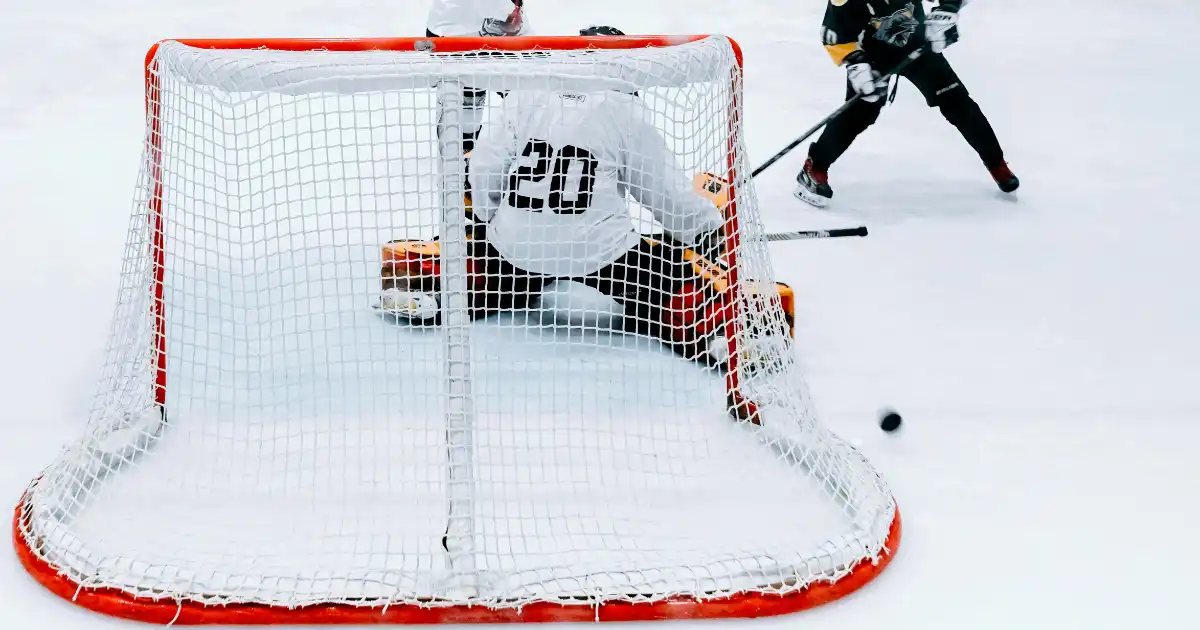
In the fast-paced world of hockey, mistakes happen in the blink of an eye. One of the most frustrating and memorable errors a team can make is to score on their own net. While rare, these incidents have been part of the game at every level, from peewee to the pros. Scoring on their own net isn’t just a blooper—it can change the course of a match, deflate team morale, and become a viral moment on highlight reels.
Let’s break down how a team can score on their own net, why it happens, and how players can avoid these costly mistakes.
Understanding How Teams Score on Their Own Net
Scoring on your own net typically means a team accidentally causes the puck to enter their own goal, resulting in a point for the opposing team. It’s often unintentional but can stem from a variety of scenarios. Here’s a closer look at how it happens.
Miscommunication Between Players
One of the most common causes of a team scoring on their own net is poor communication. Defensemen and goalies need to constantly talk and read each other’s intentions. A simple mix-up—such as a defender trying to pass the puck behind the net only for the goalie to leave the crease—can end with the puck sliding tragically across the goal line.
In chaotic moments, especially during line changes or in high-pressure defensive zones, players may act on instinct. A quick flick to the corner could end up being the perfect redirection into the net if teammates aren’t in sync.
Deflections Off Skates or Sticks
Another common way teams score on their own net is through accidental deflections. Picture this: a defenseman attempts to block a shot, but the puck ricochets off their skate blade and past their own goalie. These moments are heart-stoppers. The intention is pure—stop the shot—but the result ends in disappointment.
Hockey is a game of inches. Even a slight change in the puck’s trajectory can fool a goaltender who’s already committed to a save. When a player scores on their own net in this way, it’s usually considered bad luck more than bad play.
Botched Clear Attempts
Clearing the puck from the defensive zone is essential, especially during penalty kills. But when players rush or mishandle the puck under pressure, things can go horribly wrong. A flubbed clearing attempt that rolls off the stick or catches an odd bounce off the boards can end up in the back of the net.
This is one of the more avoidable ways to score on your own net, as it’s usually the result of panic or fatigue. Coaches emphasize composure and control for this very reason.
Goalie Errors
Goalies are the last line of defense, but they’re not immune to mistakes. Puck-handling errors are a leading cause of own goals. Sometimes a goalie tries to stop the puck behind the net and misreads the angle, allowing it to bounce into the goal off their pad or stick.
Other times, goalies have inadvertently swatted the puck into their own net when trying to glove it or freeze it for a whistle. These blunders are rare but unforgettable when they happen.
Bad Ice and Weird Bounces
Hockey is played on an ever-changing surface. Ruts, snow build-up, and bad ice can cause the puck to bounce unpredictably. A simple dump-in might hit a stanchion and rebound directly in front of the net, where an unsuspecting player nudges it in accidentally.
When a team scores on their own net due to ice conditions or fluke bounces, it’s a reminder of how unpredictable the sport can be.
Own Goals on Delayed Penalties
During a delayed penalty, the non-offending team pulls their goalie for an extra skater. If that team then mishandles a pass or fumbles the puck into their own empty net, it counts as a goal for the other team—even though they didn’t touch the puck.
This type of play is a textbook example of how teams can score on their own net without any pressure from opponents. It’s rare, but it’s happened at the highest levels of the sport, including the NHL.
Pressure and Panic
Hockey moves fast. Under pressure, even elite players can make costly mistakes. In scramble situations—like power plays or during the final minutes of a close game—players might panic and fire the puck blindly, inadvertently scoring on their own net.
That’s why coaches drill situational awareness and controlled exits. Knowing where teammates are, having a plan, and keeping cool under fire all reduce the risk of an own goal.
Mental Lapses
Sometimes, players just lose focus for a moment. It could be a lazy pass across the crease or a casual play in the slot that turns into disaster. These moments are tough because they’re mental mistakes, not physical ones.
Once a team scores on their own net due to a lapse like this, it can be hard to mentally rebound. That’s why leadership and team unity are key after a mishap.
When It Happens in Shootouts
Though shootouts are rare places for own goals, there have been cases where players mishandle the puck during a shootout attempt and it trickles back into their own net. While rules often nullify this scenario, it still stings when it happens—even if it doesn’t count.
Scoring on their own net during a shootout or breakaway drill may not add to the scoreboard, but it sure makes practice film the talk of the locker room.
Learning From It and Bouncing Back
When a team scores on their own net, it’s a teachable moment. The key is to shake it off and stay focused on the rest of the game. Coaches, captains, and teammates play a critical role in keeping morale high and turning the moment into motivation.
It’s also a chance to review systems, improve communication, and tighten execution in high-pressure situations. After all, even the best teams have had goals against that came off their own stick.
Turning Mistakes Into Momentum
Hockey is a sport filled with highs and lows. Scoring on your own net is one of those gut-punch moments that every player dreads. But it’s part of the game. From miscommunication to bad bounces, there are plenty of ways for a team to score on their own net. The important thing is how a team responds.
So next time you see a highlight of a team scoring on their own net, remember—it’s not just a blunder. It’s a moment that reveals the human side of hockey and the unpredictable nature of the sport we love.
#OwnGoal #HockeyFails #ScoreOnTheirOwnNet #HockeyLife #DefensiveZoneDrama #PuckLuck #HockeyIQ #Teamwork #IceHockeyInsights