Hockey is fast, physical, and thrilling—but let’s be real, some of the rules and calls leave even diehard fans scratching their heads. If you’ve ever yelled at your screen wondering why play was stopped, this one’s for you. We’re diving into the most confusing calls in hockey, breaking them down so you can follow the game like a pro.
Offside – Not Just a Blue Line Guess
You’ve seen it a million times: the ref whistles, the crowd groans, and the play resets. Offside is one of the most confusing hockey calls for new fans.
What it means: A player crosses the opposing team’s blue line before the puck does. Even if a skate is just slightly ahead, it’s offside.
The fix: Make sure the puck enters the offensive zone first. Timing your entry with the puck carrier is key. Some close calls even require video review!
Icing – No, It’s Not a Dessert
Icing halts play abruptly, often when a team is under pressure. But what is it?
What it means: Icing happens when a player shoots the puck from behind their own red center line across the opposing goal line without it being touched.
Why it’s confusing: Sometimes icing is waved off. That’s usually because the linesman thinks an opposing player could’ve played the puck or if a team is shorthanded.
Pro tip: Icing results in a faceoff in your own zone—dangerous when you’re tired or under siege.
Goaltender Interference – Gray Area City
This one causes controversy at every level of the game.
What it means: An attacking player interferes with the goalie’s ability to make a save, either physically or by entering the crease illegally.
Why it’s confusing: The rule is super subjective. Contact outside the crease? Could be fine. A slight bump in the crease? Might lead to a disallowed goal.
Heads up: Even unintentional contact can cost your team a goal.
High-Sticking – Intent Doesn’t Always Matter
What it means: A player’s stick makes contact with an opponent above the shoulders. It could be during a shot, check, or even a missed play.
The confusion: Accidental high-sticks still draw penalties. And if there’s blood? That’s usually a double minor—4 minutes in the box.
Not all bad: If the puck is played with a high stick and then touched by the same team, play is stopped. But it’s not a penalty, just a turnover.
Too Many Men on the Ice – The Sneaky One
What it means: More than five skaters from one team (plus the goalie) are on the ice at once.
Why it trips people up: Line changes happen on the fly, so there’s overlap. The rule allows a bit of grace, but if a player joins too early or plays the puck mid-change? Boom—penalty.
Watch the bench: This call often results from bad communication or sloppy changes.
Delayed Penalty – The Bonus Attack Time
What it means: A ref spots a penalty, but doesn’t stop play until the offending team gains possession.
Why it’s tricky: Fans get confused when the whistle doesn’t blow immediately. Meanwhile, the non-offending team can pull their goalie for an extra attacker and go on the attack.
Key detail: As soon as the offending team touches the puck, play stops and the penalty is called.
Hand Pass – Legal in One Zone, Illegal in Another
What it means: Passing the puck with your hand.
The twist: In the defensive zone, it’s allowed. In the neutral or offensive zones? Whistle time.
Penalty? Nope—just a stoppage of play. But if it leads to a goal or chance, it can be a momentum killer.
Puck Over Glass – An Automatic Oops
What it means: A player shoots the puck directly over the glass from their defensive zone without it touching anything.
Penalty: Automatic 2-minute delay of game. No ifs, ands, or buts.
Why it’s maddening: Intent doesn’t matter. A clean flip that lands in the stands? Still two minutes.
Kicking the Puck – Legal, Until It’s Not
What it means: Players can use their skates to redirect the puck, but cannot kick it directly into the net.
The gray area: Sometimes the puck deflects off a skate—goal stands. A clear kicking motion? No goal.
It’s all about intent: That’s where video review comes in.
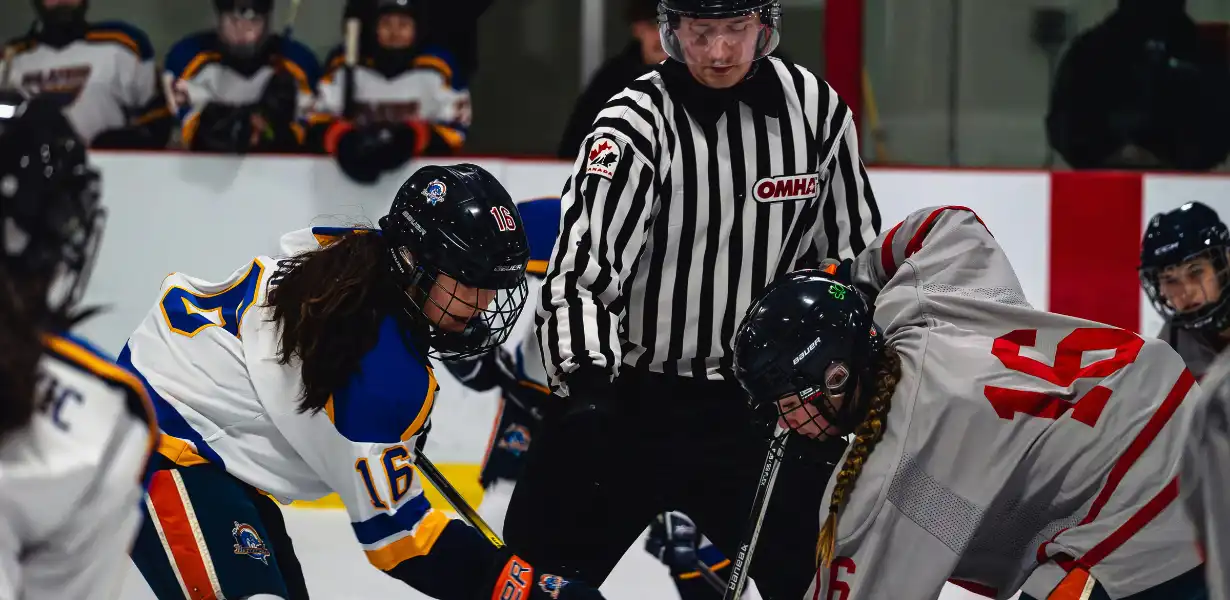
Faceoff Violations – Rare, But Real
What it means: A player commits a procedural error before the puck drops—like moving too early or encroaching the circle.
First violation: The center is kicked out. Second? Minor penalty.
Why it’s confusing: It seems like a small thing, but it can swing momentum.
Why These Calls Matter
Understanding confusing hockey calls is key to appreciating the strategy behind the chaos. Coaches build entire systems around knowing when to pressure, when to clear the puck, and how to avoid costly mistakes.
For fans, clarity makes the game more fun. You’ll know when to yell at the refs—and when to nod in agreement.
Wrapping It Up: Know the Rules, Love the Game
Hockey is a fast-moving sport with razor-thin margins. These confusing hockey calls might slow the action, but they also protect players, ensure fairness, and add strategic depth.
Next time you’re watching a game and the whistle blows, you’ll know exactly what’s going down. No more guessing—just more love for the game.