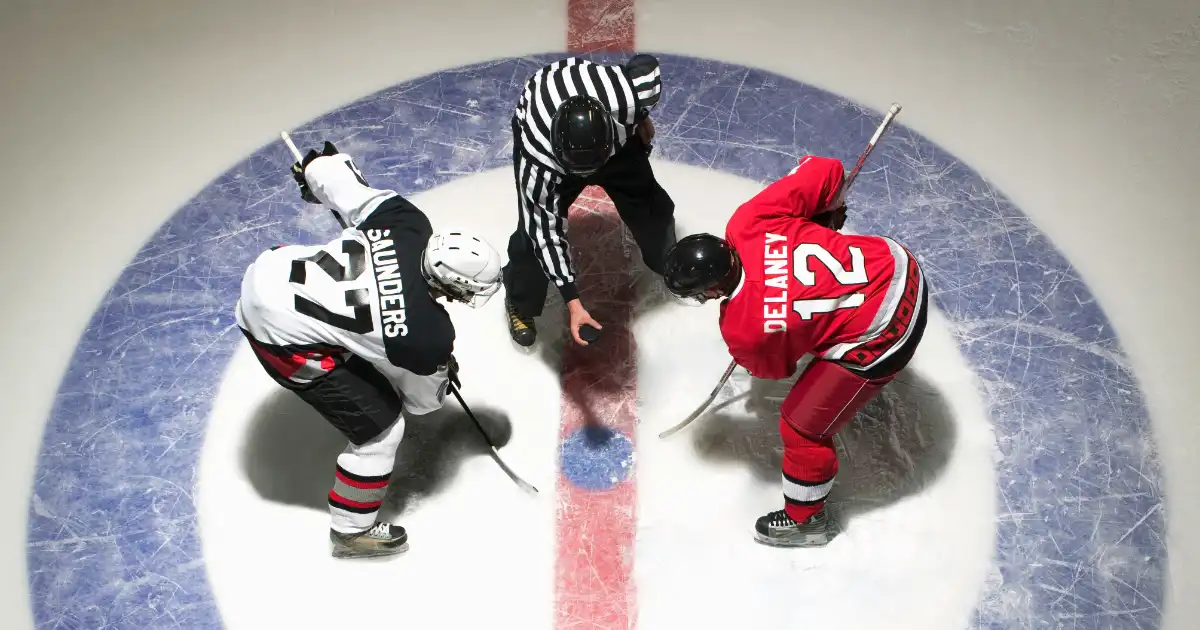
Faceoffs may only take a few seconds, but where they happen on the ice can influence everything that follows. Coaches pay close attention to faceoff locations because each dot presents different opportunities and risks. Winning a draw in the right area can create an immediate scoring chance, relieve defensive pressure, or help control the pace of play.
For players and fans alike, understanding the hidden strategy behind faceoff locations reveals another layer of hockey that often goes unnoticed. Every faceoff dot has a purpose, and the tactics teams use can influence possession, scoring chances, and momentum throughout a game.
Why Faceoff Location Matters
Not every faceoff is created equal. A draw in the neutral zone carries different priorities than one deep in the offensive zone or directly in front of your own net. Teams adjust their positioning, responsibilities, and even which players take the draw based on where the puck will be dropped.
The ultimate objective is to secure possession, but how teams accomplish that can vary depending on the situation. Sometimes the center tries to win the puck cleanly, while in other cases the goal is to tie up the opposing center long enough for a winger to recover the puck. The tactics change dramatically depending on where the faceoff takes place.
Offensive Zone Faceoffs
An offensive zone faceoff is one of the best opportunities to generate immediate pressure. Winning the puck cleanly allows the attacking team to set up before defenders have time to organize.
Common offensive zone strategies include:
Winning the Draw Back to the Defense
One of the most common plays is pulling the puck back to a defenseman waiting near the blue line. From there, the puck can be moved laterally across the blue line to change the shooting angle, sent toward the net for a tip or rebound, or distributed to a winger along the boards to begin the offensive cycle.
Creating a Quick Scoring Chance
Some teams design set plays that happen within seconds of the faceoff. A winger may drive directly toward the slot while another player screens the goaltender, giving the shooter a clear lane for a quick shot.
These plays rely on timing and precision, making faceoff practice an important part of team preparation.
Maintaining Offensive Pressure
Even if a scoring chance does not develop immediately, winning the draw allows the attacking team to establish puck possession and force the defending team to spend more time in its own zone.
Defensive Zone Faceoffs
Faceoffs in the defensive zone often carry greater risk because a lost draw can lead to an immediate scoring opportunity.
For that reason, teams frequently place their strongest faceoff specialists on the ice for defensive zone draws.
Key defensive priorities include:
Clearing the Zone
The safest outcome after winning possession is often moving the puck out of the defensive zone as quickly as possible. A successful clearance allows players to change lines and reduces sustained pressure.
Protecting the Slot
If the draw is lost, defenders immediately collapse toward the slot to protect the highest-danger scoring area. Wingers also have responsibilities, including covering opposing defensemen positioned near the blue line.
Limiting Clean Shots
Many defensive faceoff formations are designed to prevent the attacking team from executing quick, rehearsed plays immediately after the puck is dropped.
Neutral Zone Faceoffs
Neutral zone faceoffs are often overlooked, but they play a significant role in controlling momentum and possession.
Winning a neutral zone draw can help create a controlled entry into the offensive zone, slow an opponent’s transition attack, maintain possession during line changes, and dictate the tempo of the game. Although these faceoffs rarely produce immediate scoring chances, consistently winning them helps teams spend more time with the puck and can prevent opponents from entering the offensive zone with speed, forcing them to regroup before launching another attack.
The Importance of Faceoff Circle Positioning
The exact location within each zone also matters.
For example, an offensive zone faceoff near the boards may encourage a team to cycle the puck along the wall before attacking the middle of the ice. A faceoff on a player’s strong side can make it easier to pull the puck toward teammates, while a draw closer to the middle of the zone opens additional passing lanes and can create quick shooting opportunities.
Similarly, defensive zone faceoffs near the hash marks require players to communicate clearly because coverage assignments can change depending on the direction the puck is won or lost.
Handedness Can Influence Strategy
A center’s handedness often affects how coaches deploy players for important faceoffs.
A left-handed center may have an advantage taking draws on one side of the ice because the forehand naturally pulls the puck toward teammates. The opposite can be true for right-handed centers on the other side.
Many coaches consider these matchups during critical moments, particularly on power plays, penalty kills, or late-game defensive zone faceoffs.
Faceoff Specialists Earn Their Role
Some players earn valuable roles because they consistently win faceoffs, particularly in defensive situations, on special teams, and during other high-pressure moments when possession is especially important.
Coaches often rely on these players late in games when protecting a lead, during offensive zone power-play faceoffs, after defensive zone icing calls, or in overtime when every possession becomes even more valuable. Starting with the puck in these situations can make the difference between creating a scoring opportunity and spending valuable time defending.
While faceoff success is only one part of a player’s overall game, consistently winning key draws gives coaches confidence to deploy them when the stakes are highest. Over the course of a season, securing just a few extra possessions each game can have a meaningful impact on a team’s performance.
Practice Makes Faceoffs More Effective
Teams spend considerable practice time working on faceoffs. Players rehearse not only winning the puck but also what happens immediately afterward. Every skater has an assignment once the puck is dropped, whether that means driving to the net, tying up an opponent, supporting along the boards, or covering defensive responsibilities.
The most successful faceoff plays often appear effortless because every player knows exactly where to be.
Final Buzzer
The hidden strategy behind faceoff locations extends far beyond simply dropping the puck. Every faceoff dot creates different opportunities, defensive responsibilities, and tactical decisions that can shape the next sequence of play. Teams that consistently execute these details often gain valuable possession, create more scoring opportunities, and spend less time defending.
The next time the official skates to a faceoff dot, you’ll know that the battle isn’t just for the puck, but for everything that can happen in the seconds that follow.