Choosing the right stick size is one of the most important parts of playing comfortably and effectively on the ice. Many players eventually ask the same question: how long should a hockey stick be? A stick that’s too long can make puck control feel awkward and slow, while a stick that’s too short may reduce reach, leverage, and defensive positioning.
What Is the Correct Hockey Stick Length?
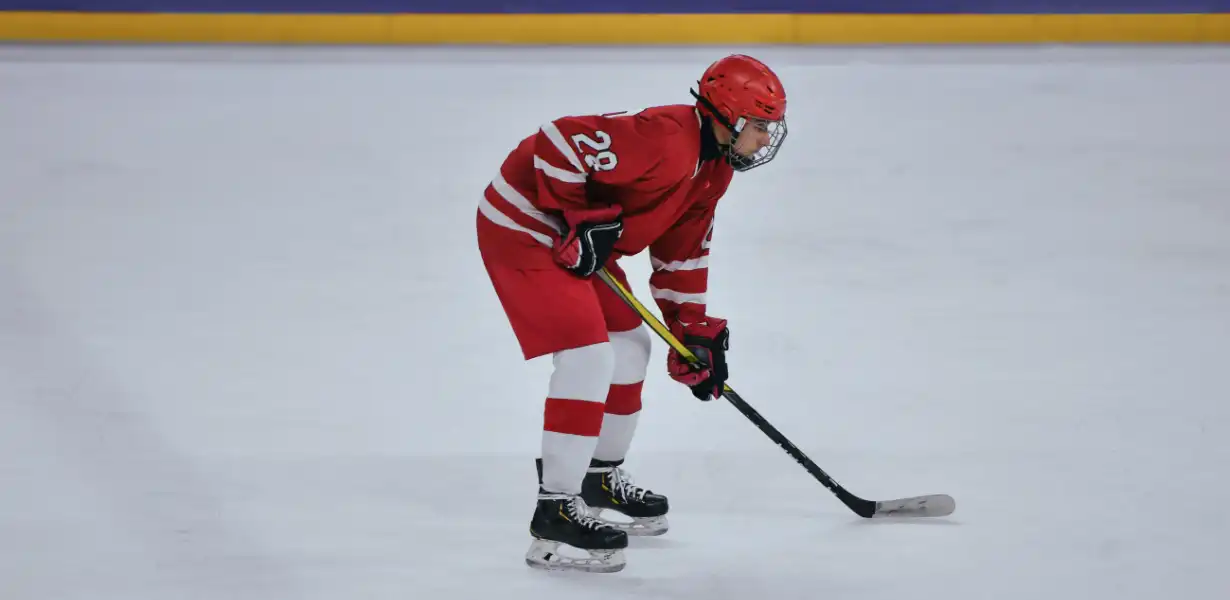
The traditional guideline for hockey stick sizing is fairly simple. When standing in shoes, the top of the stick should generally fall somewhere between your chin and nose. Once you put skates on, the stick naturally sits lower and will usually reach around chin height.
That guideline remains a strong starting point for most players, but modern hockey has changed stick preferences slightly. Today’s players skate lower, move the puck faster, and rely heavily on quick releases, so many players now prefer slightly shorter sticks than older generations used.
There is no single perfect hockey stick length for everyone. The ideal setup depends on your position, skating style, comfort level, and personal preference.
Why Hockey Stick Length Matters
Stick length affects nearly every part of the game. A shorter stick often improves close puck handling, quick movements, and fast shot releases because the puck stays closer to the body. Many forwards prefer shorter sticks for this reason, especially players who rely on creativity and agility in tight spaces.
A longer stick provides additional reach and can offer more leverage, which may help some players generate power on shots, particularly slap shots. Longer sticks are also useful defensively because they help with poke checks, passing lane coverage, and overall defensive positioning.
The wrong stick length can also affect skating posture. A stick that is too long may force players to stand more upright, while a stick that is too short can lead to excessive bending and discomfort during games or practices.
Hockey Stick Length by Position
Forwards commonly lean toward slightly shorter sticks because they help improve puck control, handling speed, and quick-release shooting. Offensive players who carry the puck frequently often like keeping it closer to their body for better control.
Defensemen frequently prefer slightly longer sticks for added reach. Extra length can help disrupt passes, improve poke checks, and create better defensive positioning while still providing leverage for shots from the point.
Youth hockey players benefit greatly from properly fitted sticks because oversized sticks can make skating, passing, and puck handling harder to learn. Many parents buy sticks with extra length so younger players can “grow into them,” but that often creates bad habits and poor mechanics early on.
How to Check Hockey Stick Length
To check hockey stick length properly, stand upright with the toe of the blade flat on the floor and hold the stick vertically in front of you. Rather than focusing only on an exact measurement point, pay attention to how naturally the stick feels during skating, puck handling, passing, and shooting.
A properly sized stick should allow comfortable posture without forcing you too upright or causing excessive bending while skating. The puck should feel close enough for control while still giving you enough reach to play effectively in different situations on the ice.
It is also important to remember that manufacturers sometimes measure sticks differently. Some brands list shaft length while others use total stick length, so actual sizing may vary slightly between models.
Should You Cut a Hockey Stick?
Most hockey players cut their sticks to match personal preference, but trimming a stick changes more than just the overall length. Cutting a hockey stick shorter makes it play stiffer because the shorter shaft reduces how much the stick can flex during shooting.
In many cases, removing one inch can increase stiffness by roughly three to five flex points depending on the stick model and kick point. For example, a 75-flex stick cut several inches may feel significantly stiffer afterward. This is one reason many players choose a lower flex rating if they plan to trim the stick heavily.
This becomes especially important for younger players, who may struggle to properly load and flex a stick that becomes too stiff after being cut down.
Signs Your Hockey Stick Is Too Long
Players using a stick that is too long often notice that stickhandling feels slower and less comfortable. The puck may feel too far away from the body, quick shots can feel delayed, and skating posture may become too upright. Some players also notice the blade catching awkwardly during tight turns.
Signs Your Hockey Stick Is Too Short
A stick that is too short can create different problems. Players may find themselves bending excessively while skating, losing defensive reach, or struggling to generate leverage on shots. Extended use of a stick that is too short may also contribute to back discomfort during longer sessions on the ice.
NHL Players Use Many Different Stick Lengths
One interesting part of hockey stick fitting is how much NHL players customize their setups. Some players use surprisingly short sticks to maximize puck control and quick releases, while others prefer additional length for reach and leverage.
There is no universal “pro” stick length that works for everyone. The best setup ultimately depends on how you play and what feels comfortable during real game situations.
Finding the Right Hockey Stick Length
The best hockey stick length should feel comfortable, balanced, and natural during skating, shooting, passing, and puck handling. The traditional chin-to-nose guideline is still the best place to start, but small adjustments can make a major difference once you get on the ice.
When the stick length fits your style properly, your movements become smoother, your posture improves, and the puck feels more connected to your game instead of fighting against it.