
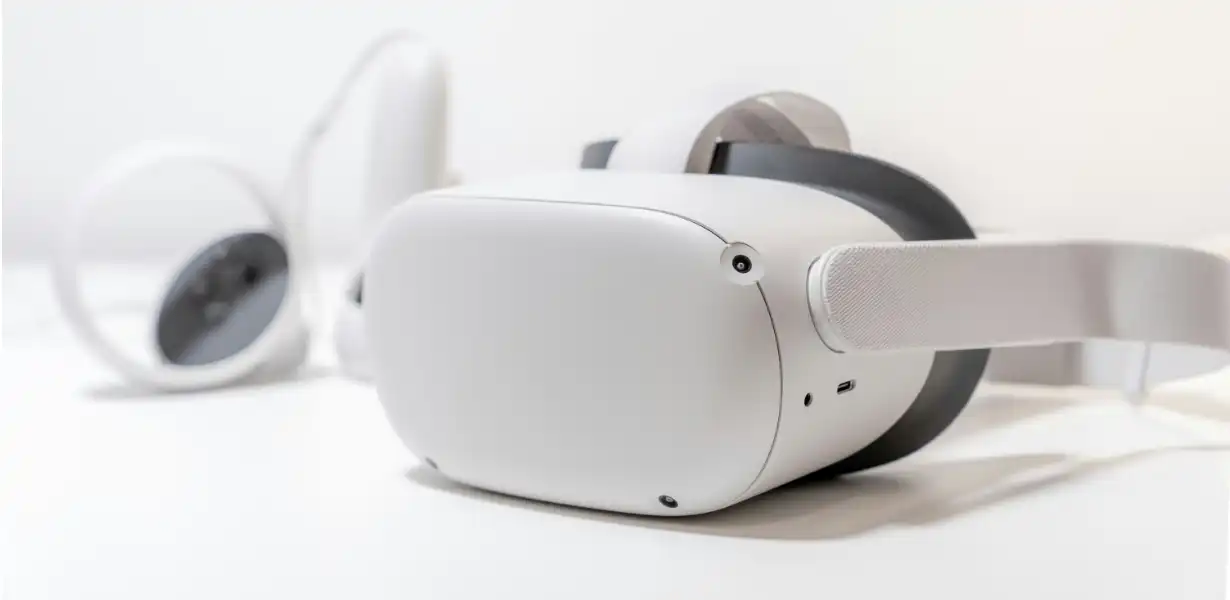
Technology-enhanced hockey training is changing how players develop both on and off the ice. Modern hockey is faster, more technical and more demanding than ever before. Players are expected to process information instantly, react under pressure and maintain peak conditioning throughout long seasons. To keep up, coaches and athletes are increasingly turning to advanced technology for an edge.
From virtual reality training systems that sharpen decision-making to wearable sensors that measure skating mechanics in real time, technology is reshaping player development at every level of the game. These tools are helping athletes improve cognitive skills, refine technique and better manage recovery. While traditional practice still forms the foundation of hockey development, modern technology is creating new ways to train smarter and more efficiently.
How Virtual Reality Training Works in Hockey
Virtual reality has become one of the most exciting innovations in hockey development. VR systems place players inside simulated game environments where they can practice reading plays, reacting to scoring chances and improving decision-making without stepping onto the ice.
One of the best-known platforms in hockey training is Sense Arena, which originally focused heavily on goalie development. Using a VR headset, goaltenders can face realistic rushes, screens and shot scenarios designed to mirror real gameplay situations.
The platform’s Goalie Advancement Program introduced a structured progression model that helps goalies gradually increase difficulty levels over time. Training sessions focus on angle management, tracking through traffic and reading shot releases.
One of the biggest advantages of VR training is cognitive development. Hockey players often separate themselves through anticipation and recognition rather than raw athleticism alone. VR drills train athletes to identify visual cues such as shoulder positioning, stick angle and shooting posture before the puck is released. Over time, players improve reaction speed and decision-making in situations that closely resemble live gameplay.
Virtual reality also gives athletes access to additional training opportunities away from the rink. Ice time is expensive and limited in many areas, especially during the offseason. VR systems allow players to continue working on their game year-round while reducing physical wear and tear.
Sensor Technology Is Making Hockey More Data-Driven
Virtual reality focuses heavily on mental processing, but sensor technology targets physical performance. Modern tracking systems collect detailed information during games and practices, helping coaches better understand how players move and perform.
The National Hockey League uses puck- and player-tracking systems powered by embedded sensors and arena antenna networks. These systems measure skating speed, puck movement, distance traveled and time on ice with impressive accuracy.
For coaches, this creates opportunities that were difficult to imagine just a decade ago. Instead of relying entirely on observation, teams can identify measurable trends such as declining skating speed late in games or inefficient movement patterns during shifts. Tracking data can also help coaches monitor player workload and recovery more effectively.
Technology once limited to professional hockey is gradually becoming more accessible at lower levels of the sport. Many junior programs, private trainers and development camps now use wearable tracking devices to monitor skating intensity, acceleration and conditioning progress.
AI Video Analysis Is Improving Skill Development
Video review has long been part of hockey coaching, but artificial intelligence has dramatically expanded what video analysis can accomplish. AI-powered systems can convert practice footage into detailed biomechanical breakdowns of player movement.
Using computer vision technology, these systems track joint movement and body positioning to create digital models of a player’s skating stride. Coaches can analyze knee bend, hip rotation, stride length and recovery timing with remarkable accuracy.
This allows players to receive more precise feedback than traditional coaching alone. Rather than hearing broad instructions like “stay lower in your stride,” athletes can see measurable details showing exactly where inefficiencies exist.
Skating mechanics can be difficult to evaluate at full speed with the naked eye. AI systems slow movements down and isolate specific phases of a skating stride frame by frame, making technical adjustments easier to understand.
Some advanced training setups combine video analysis with wearable motion sensors attached to skates or lower-body equipment. These systems continue collecting data even when camera angles become obstructed during drills.
Wearable Technology Helps Monitor Recovery and Safety
Wearable technology is also changing how teams approach conditioning, recovery and player safety. Modern devices can track heart rate, acceleration, workload intensity and collision impacts during practices and games.
Coaches can use this information to better manage fatigue and recovery throughout demanding schedules. Instead of applying identical training loads to every athlete, teams can tailor conditioning programs based on individual recovery trends and workload data.
Impact-monitoring technology may also help identify significant collisions that warrant further medical evaluation. While wearable systems cannot diagnose concussions, they can provide additional information that helps medical staff monitor player safety more carefully.
Recovery tracking has become increasingly important as hockey schedules grow more demanding. Players often travel extensively while competing multiple times per week, creating significant physical strain over the course of a season.
Technology Still Cannot Replace Fundamentals
Despite the rapid growth of hockey technology, advanced systems are still tools rather than shortcuts. Players cannot replace proper skating mechanics, puck handling, conditioning and practice repetition with gadgets alone.
VR training can improve reaction timing and decision-making, but it cannot fully replicate the physical demands of skating or battling for puck possession. Similarly, sensor data may identify weaknesses, but players still need coaching and disciplined practice to correct them.
There is also a risk of information overload. Modern tracking systems generate enormous amounts of data, and coaches can lose focus if they try to monitor every statistic available. Successful development programs usually concentrate on a smaller number of meaningful performance indicators tied directly to player improvement.
Privacy is another important consideration. Performance tracking systems collect sensitive information about player health and physical output, making responsible data management essential for teams and training organizations.
Cost can also limit accessibility. High-end VR systems, AI analysis software and advanced wearable technology may still be too expensive for some youth programs and amateur athletes. Many organizations address this challenge by sharing equipment or partnering with specialized training facilities.
The Future of Technology-Enhanced Hockey Training
Technology-enhanced hockey training will likely continue evolving rapidly over the next several years. As VR graphics improve, AI systems become more advanced and wearable sensors grow more sophisticated, players will gain even deeper insight into both physical and cognitive performance.
The athletes who benefit most will likely be the ones who combine strong fundamentals with smart use of technology. Traditional skills like skating, positioning and hockey IQ remain critical, but modern training systems provide new ways to sharpen those abilities more efficiently.
Hockey will always be driven by instinct, effort and creativity. Technology simply gives players and coaches more tools to refine those qualities. From virtual reality simulations to advanced skating analytics, the future of hockey training is becoming faster, smarter and more precise with every season. 🏒📈