
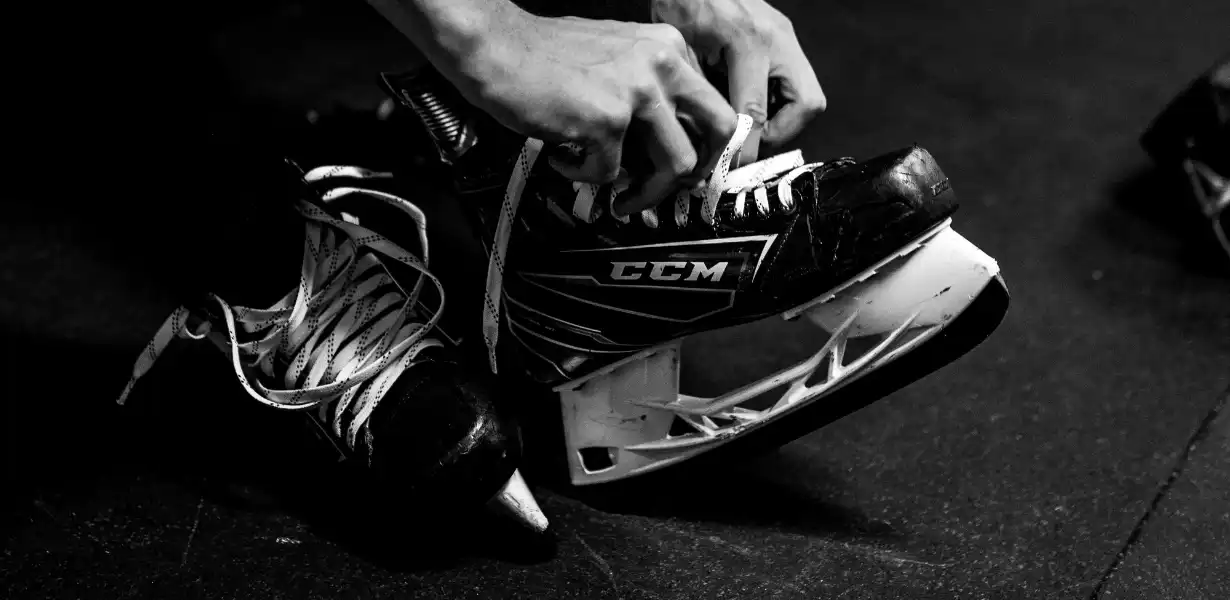
When hockey players look for ways to improve their performance on the ice, sticks, skates, and training often get the most attention. One piece of equipment that can make a noticeable difference but is sometimes overlooked is skate steel. The types of skate steel used on a pair of hockey skates influence edge control, durability, maintenance needs, and how a player feels while skating.
Skate steel, often called runners or blades, is the metal piece mounted in the skate holder that makes contact with the ice. While it may appear simple, modern runners are built with different materials, coatings, and heights designed to improve performance in specific ways.
Understanding the different types of skate steel available can help players choose equipment that matches their skating style and the demands of their level of play.
Standard Stainless Steel Skate Runners
Traditional stainless steel runners are the most common type of skate steel used in hockey. These blades are made from hardened stainless steel and are included on many entry-level and mid-range skates.
Stainless steel runners provide a balanced combination of durability, performance, and affordability. Because they are widely used, most skate sharpening machines are optimized for this type of steel.
Key characteristics include:
• Reliable edge control
• Easy sharpening and maintenance
• Affordable replacement cost
• Widely available compatibility with most skate holders
For recreational players and developing athletes, stainless steel runners offer dependable performance without requiring specialized maintenance. However, compared with premium steel options, they may need sharpening more frequently depending on skating frequency and ice conditions.
Premium High-Quality Steel
Many manufacturers offer upgraded runners made from higher-quality steel that undergoes improved heat treatment and finishing processes. These runners are often marketed as premium steel.
The primary advantage of premium steel is increased edge retention. Because the steel is treated and manufactured more precisely, it can maintain sharp edges longer between sharpening sessions.
Benefits of premium steel runners include:
• Longer edge life
• Consistent sharpening results
• Improved durability over time
• Stable performance for frequent skaters
Players who spend several days per week on the ice often notice the difference in how long their edges remain sharp. While premium runners typically cost more than standard stainless steel, the longer maintenance cycle can make them worthwhile for serious players.
Black Coated Skate Steel
Black-coated runners have become increasingly popular among competitive hockey players. These runners feature a protective coating applied to the steel surface.
Different manufacturers use different coating technologies, but many include materials designed to improve wear resistance and protect the steel from corrosion.
Common advantages of coated skate steel include:
• Increased resistance to rust and oxidation
• Improved surface durability
• Extended edge retention
• Reduced frequency of sharpening
The coating strengthens the outer surface of the blade, helping edges stay sharp longer during regular skating. This can be especially beneficial for players who skate multiple times each week or participate in competitive leagues.
Because hockey equipment continues to evolve, many modern gear innovations focus on providing reliable performance and durability while remaining accessible to players across different skill levels .
DLC (Diamond-Like Carbon) Skate Steel
DLC, or diamond-like carbon coating, is one of the most advanced technologies used in modern skate steel. DLC coatings create an extremely hard surface layer on the blade that significantly improves wear resistance.
Originally developed for industrial applications, DLC coatings are now used on premium hockey runners to improve durability and edge longevity.
Key benefits include:
• Extremely hard blade surface
• Exceptional edge retention
• Strong resistance to wear
• Long-lasting durability for frequent skating
Because the coating increases surface hardness, DLC runners tend to maintain sharp edges longer than traditional steel. Players who skate several times per week often appreciate the reduced need for sharpening.
While DLC runners generally cost more than standard options, they are often favored by competitive players who prioritize consistent performance and durability.
Taller Skate Steel
Another important variation among the types of skate steel available today is blade height. Many modern runners are designed taller than older steel models.
The additional height means more steel extends above the holder, which provides several performance advantages.
These benefits include:
• Greater lean angle during turns
• Improved maneuverability
• More options for blade profiling
• Longer lifespan before replacement
Taller runners allow players to lean further into turns before the boot contacts the ice. This additional lean angle can improve turning ability and overall agility.
Another major advantage is customization. Equipment managers and pro shops can adjust blade profiles more easily when there is more steel available to work with.
Because taller steel contains more material, it can also withstand more sharpening sessions before it eventually needs to be replaced.
Goalie Skate Steel
Goalie skate steel differs slightly from the runners used by skaters. Goaltenders rely more on stability and controlled pushes than quick turns and tight edges.
Goalie runners typically feature a flatter blade profile, which creates a larger contact area with the ice.
This design helps provide:
• Increased stability in the crease
• Better balance during butterfly movements
• Controlled lateral pushes
Modern goalie steel is often taller as well, giving goaltenders additional flexibility for profiling and sharpening adjustments.
These features help goalies maintain strong positioning while moving quickly across the crease.
How Skate Steel Affects Skating Performance
Although many factors influence skating performance, the types of skate steel used on a pair of skates can affect several important aspects of how a player moves on the ice.
Edge Retention
Edge retention refers to how long the blade remains sharp after sharpening. Harder steels and coated runners generally maintain edges longer than standard stainless steel.
Players who skate frequently often benefit from steel that holds its edge well between sharpening sessions.
Durability
Durability is another important factor. Premium steels and coated runners are designed to resist wear and corrosion better than basic stainless steel.
This added durability helps runners last longer and maintain consistent performance throughout a season.
Blade Profiling and Customization
Blade profiling is the process of shaping the blade to match a player’s skating style. Taller runners allow for more advanced profiling adjustments, which can improve acceleration, turning ability, or stability depending on the player’s needs.
Because profiling directly influences how the blade interacts with the ice, it can have a major impact on skating comfort and efficiency.
Choosing the Right Skate Steel
The best runner for a player depends on several factors, including skating frequency, playing level, and personal preference.
Players should consider:
• How often they skate
• Their position on the ice
• How frequently they want to sharpen their skates
• Their equipment budget
Recreational players often perform well with standard stainless steel runners, while competitive players may prefer premium or coated steel for longer edge life and durability.
Goalies should focus on runners designed specifically for stability and crease movement.
Final Buzzer
The types of skate steel available today give hockey players more options than ever when it comes to customizing their equipment. From standard stainless steel to advanced DLC-coated runners, each option offers different advantages related to durability, edge retention, and performance.
While skate boots and sticks often get most of the attention, the runners under your skates directly interact with the ice and influence how you move during every shift.
Understanding how different skate steel options work allows players to make smarter equipment decisions and choose runners that support their skating style and performance goals.