
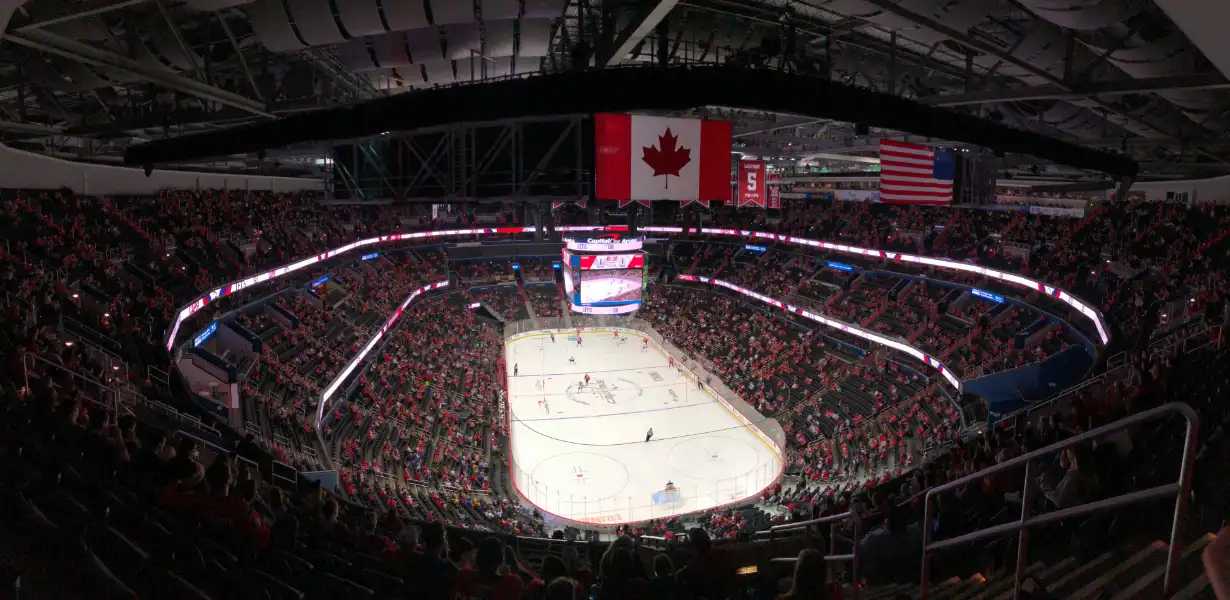
The hockey playoffs are where the sport’s most unforgettable stories are written. It’s not just about who wins—it’s about how they win. The pressure, the chaos, and the defining moments all collide to create something bigger than the game itself.
Here’s a deeper look at 10 things only true fans understand—now fully refined with precise, real-world examples that highlight why the hockey playoffs stand alone.
1. Overtime Can Become Legendary
Playoff overtime isn’t just intense, it becomes historic.
In Game 1 of the 2020 First Round, the Tampa Bay Lightning and Columbus Blue Jackets battled for 150:27 of total game time, making it one of the longest games in NHL history. Joonas Korpisalo set an NHL record with 85 saves, while Andrei Vasilevskiy added 61.
Players were completely exhausted, with shifts shortening and movement slowing deep into extra periods. When Brayden Point scored in the fifth overtime, it ended not just a game, but a test of endurance that defined the series.
2. One Hit Can Shift a Series
Physical play defines momentum in the hockey playoffs.
During the 2011 Stanley Cup Final, the Boston Bruins combined punishing physicality with elite goaltending from Tim Thomas. Zdeno Chára and Milan Lucic delivered consistent, heavy hits that wore down the Vancouver Canucks over time.
After losing the first two games, Boston responded by outscoring Vancouver 17–3 in Games 3 and 4, completely shifting momentum. The combination of physical dominance and Thomas’ goaltending carried the Bruins to a Game 7 victory and the Stanley Cup.
3. Goalies Can Carry Teams
A goalie can completely take over the hockey playoffs.
Jonathan Quick’s 2012 run with the Los Angeles Kings remains one of the most dominant ever. Entering as the 8th seed, the Kings were underdogs throughout.
Quick posted a .946 save percentage and 1.41 GAA, while the team went 10–1 on the road, an NHL record for a single postseason at the time. His ability to shut down scoring chances allowed Los Angeles to control games and finish with a 16–4 record.
4. Rivalries Become War
Playoff rivalries bring unmatched intensity.
The 2011 First Round matchup between the Chicago Blackhawks and Vancouver Canucks featured years of bad blood. Chicago entered as the defending Stanley Cup champion, having eliminated Vancouver in prior seasons.
In Game 7, Vancouver built a 3–0 lead, but Chicago battled back to force overtime. Every shift carried tension. When Alex Burrows scored the overtime winner, it ended years of frustration and became one of the most emotional moments in Canucks history.
5. Momentum Can Flip Instantly
No lead is ever safe in the hockey playoffs.
In Game 7 of the 2019 First Round, the San Jose Sharks trailed the Vegas Golden Knights 3–0 late in the third period. A controversial 5-minute major penalty, called after Joe Pavelski was injured on a cross-check, changed everything.
San Jose scored four goals in 4:01, stunning Vegas and completely flipping the game’s momentum. The Sharks eventually won in overtime, completing one of the most dramatic comebacks in NHL playoff history.
6. Unexpected Heroes Deliver
The hockey playoffs create unlikely legends.
In 2014, Alec Martinez became a postseason hero for the Los Angeles Kings. He scored the Western Conference Final-winning goal in overtime, then followed it up with the Stanley Cup-winning goal in double overtime against the New York Rangers.
A defenseman not known for scoring delivered two of the biggest goals of the playoffs, proving that anyone can define a moment.
7. Players Push Through Serious Injuries
The level of toughness in the hockey playoffs is unmatched.
Patrice Bergeron’s 2013 playoff run stands as one of the clearest examples. After elimination, it was revealed he played through a punctured lung, broken rib, separated shoulder, and torn cartilage.
Despite these injuries, Bergeron continued to take critical faceoffs and log major minutes, showing the extreme level of commitment required during the hockey playoffs.
8. The Atmosphere Is Electric
The environment during the hockey playoffs is unmatched.
The Winnipeg Jets’ “Whiteout” is one of hockey’s most iconic traditions. Originating in the 1980s and revived with the current franchise, fans dress entirely in white, filling both the arena and surrounding streets.
The result is a unified, high-energy environment that creates real pressure on opponents and gives the home team a noticeable boost.
9. Superstitions Take Over Completely
Superstitions become part of the hockey playoffs culture.
During the New York Rangers’ 1994 Stanley Cup run, routines became deeply ingrained. Players followed consistent habits, and fans mirrored that energy, wearing the same gear and sticking to the same routines throughout the playoffs.
Mark Messier’s famous Game 6 guarantee against the New Jersey Devils added to the belief surrounding the team, reinforcing how mindset and ritual become part of the playoff experience.
10. The Emotional Swings Are Extreme
No sport delivers emotional highs and lows like the hockey playoffs.
In Game 6 of the 2013 Stanley Cup Final, the Boston Bruins were leading late in the third period, just 1:16 away from forcing Game 7.
Then everything changed.
Bryan Bickell scored to tie the game with 1:16 remaining, and just 17 seconds later (0:59 remaining), Dave Bolland gave the Chicago Blackhawks the lead. In less than half a minute, Boston’s hopes disappeared and Chicago secured the Stanley Cup.
Why Hockey Playoffs Stay With Fans Forever
The hockey playoffs are more than a tournament, they’re a collection of unforgettable moments that define the sport.
From record-setting overtime games to historic comebacks and legendary performances, every detail matters. Fans don’t just watch, they experience every shift, every hit, and every goal.
That’s why the hockey playoffs leave a lasting impact, because no other stage delivers this level of intensity, drama, and history.