
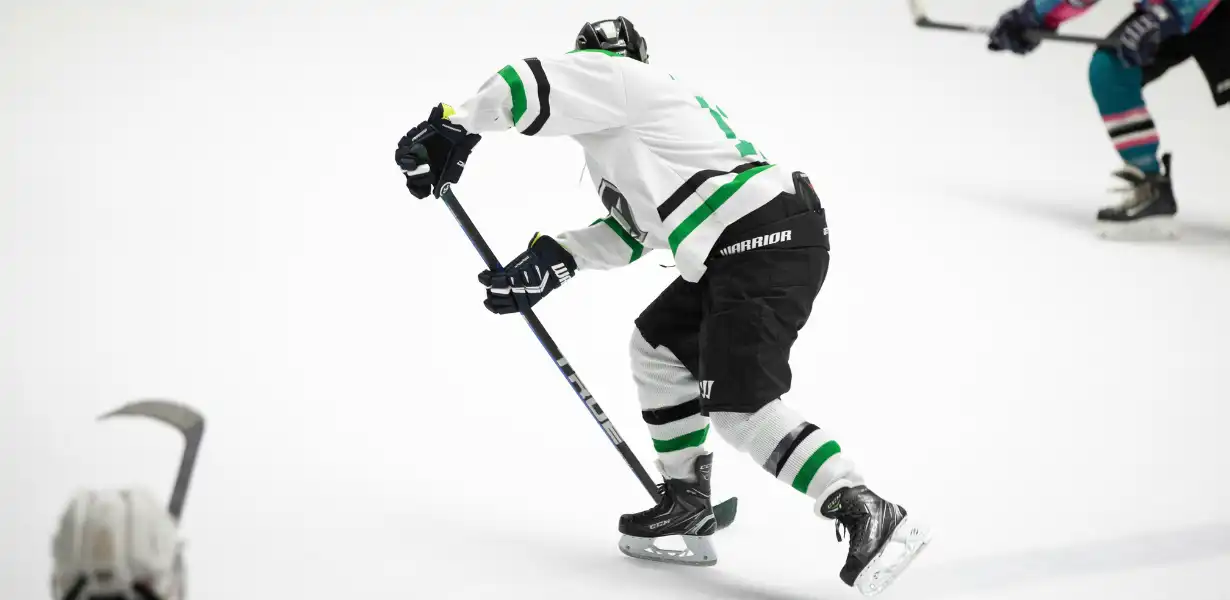
Few moments in hockey are as tense as the final minutes of a close game. With the score tight and emotions high, teams shift from flowing offense to calculated survival. One tactic that often sparks debate among fans is why teams intentionally ice the puck late in games. While icing typically results in a defensive-zone faceoff and tired players stuck on the ice, coaches continue to use it as a deliberate strategy.
To the untrained eye, intentionally icing the puck late in games may seem like panic or poor decision-making. In reality, it is often a calculated move rooted in time management, defensive structure, and risk control. Understanding why teams rely on this tactic reveals a deeper layer of hockey strategy that separates disciplined teams from reckless ones.
What Does It Mean to Intentionally Ice the Puck Late in Games?
Icing occurs when a player shoots the puck from their own side of the center red line all the way past the opposing team’s goal line without it being touched. When teams intentionally ice the puck late in games, they knowingly accept the consequences—most notably, a defensive-zone faceoff with no line change allowed.
The keyword here is intentional. Late in games, players are fully aware of the rules and still choose to clear the puck illegally rather than attempt a risky breakout or controlled pass through the neutral zone.
Protecting the Lead Is the Top Priority
One of the primary reasons teams intentionally ice the puck late in games is to protect a narrow lead. When up by one goal in the final minutes, the priority shifts from creating offense to eliminating danger.
A failed breakout pass or turnover in the defensive zone is far more dangerous than an icing call. Coaches often instruct players to prioritize getting the puck out of harm’s way at all costs. Even if it results in icing, the immediate threat is removed, buying a few crucial seconds and resetting defensive positioning.
This approach reflects a fundamental hockey truth: turnovers close to your own net are often more costly than defensive-zone faceoffs.
Reducing High-Risk Plays Under Pressure
Late-game pressure changes everything. Forecheckers are more aggressive, pinches become bolder, and mistakes are amplified. When teams intentionally ice the puck late in games, they are choosing a known outcome over an unpredictable one.
Attempting a stretch pass, a soft chip off the boards, or a risky middle-lane breakout can lead directly to scoring chances against. Icing, by comparison, is a controlled penalty. Coaches know exactly what situation follows and can prepare their players accordingly.
This risk management mindset is especially common among veteran teams that value structure and discipline.
Killing Time Without Giving Up Possession
At first glance, icing seems counterproductive because it hands possession to the opposing team. However, when teams intentionally ice the puck late in games, they are often trading possession for time.
Every whistle stops the clock. In the final minute, even two or three seconds are valuable. A hard clear that results in icing forces a faceoff and disrupts the attacking team’s rhythm.
While possession matters, clock control becomes equally important late in games, especially when defending a lead.
Trusting Defensive Zone Faceoff Structure
Another reason teams intentionally ice the puck late in games is confidence in their defensive-zone faceoff systems. Teams practice these situations extensively, drilling assignments, shot lanes, and responsibilities.
A clean defensive-zone faceoff win can immediately lead to another clear or even a second icing, further draining time. Even if the draw is lost, defenders know their coverage reads and collapse quickly to protect the slot.
This confidence allows teams to accept icing as a manageable scenario rather than a catastrophic mistake.
Disrupting Offensive Momentum
Momentum is real in hockey, especially late in games. When an attacking team is cycling effectively and building pressure, defenders may choose to intentionally ice the puck late in games to disrupt flow.
A whistle breaks momentum, allows defenders to reset mentally, and forces the attacking team to restart its setup. Even elite offensive units lose some rhythm after stoppages, which can work in the defending team’s favor.
This tactic is often used when a team is hemmed in and needs a reset more than a clean breakout.
When Icing Becomes a Calculated Gamble
Despite its benefits, intentionally icing the puck late in games carries risks. Fatigued players stuck on the ice against fresh attackers can lead to breakdowns. Coaches must balance the benefits of clearing danger with the cost of exhaustion.
This is why teams typically reserve intentional icing for specific moments—such as after extended pressure or when a safe breakout option simply is not available. Smart teams read the situation quickly and decide whether icing is the lesser of two evils.
Situations Where Teams Avoid Intentional Icing
Even late in games, teams do not always intentionally ice the puck. If defenders have time and space, a controlled breakout is still preferred. Teams also avoid icing when their best faceoff players are not on the ice or when fatigue levels are too high.
Additionally, when trailing, teams rarely ice intentionally, as maintaining possession and generating offense becomes the priority.
Why Fans Often Misunderstand the Strategy
Fans sometimes react negatively when they see teams intentionally ice the puck late in games. It can look passive or desperate. However, within the context of high-pressure decision-making, it is often the safest option available.
Hockey at the professional level is a game of percentages. Coaches and players choose the option that minimizes risk, not the one that looks the cleanest on replay.
Tactical Choice, Not a Panic Move
Understanding why teams intentionally ice the puck late in games provides insight into how hockey strategy evolves under pressure. Far from being a mistake, icing late is often a calculated decision rooted in time management, defensive confidence, and risk reduction.
In the final minutes, survival matters more than style. When the clock is winding down and the margin for error disappears, intentionally icing the puck late in games remains one of the most reliable tools teams use to protect leads and close out wins.