
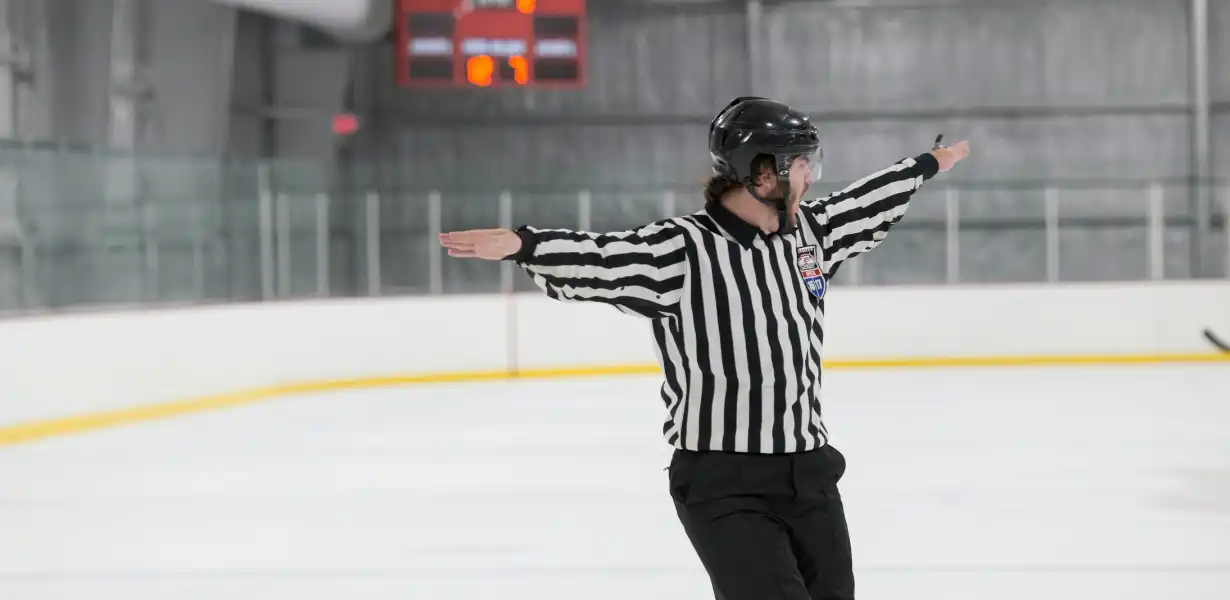
Understanding why some penalties cancel out and others don’t is one of those hockey nuances that separates casual fans from rink-savvy diehards. You’ll see a scrum after the whistle, refs huddling up, and suddenly the scoreboard shows no power play at all—or sometimes just one team skating short-handed. It can feel inconsistent if you don’t know the logic behind it.
The truth is, there is structure behind how officials handle multiple infractions. Hockey’s rulebook lays out clear principles to determine when penalties offset and when they create an advantage. This article breaks it all down so you can follow the calls, anticipate special teams situations, and better understand the flow of the game.
The Core Idea Behind Penalties Canceling Out
At its heart, hockey officiating aims to restore fairness, not to stack advantages unnecessarily. When infractions happen at or near the same time, officials evaluate who gained an unfair edge—and whether that edge still exists once the play is stopped.
If both teams commit comparable infractions during the same sequence, there’s usually no reason to reward one side with a power play. That’s where offsetting penalties come in.
This principle applies at every level of organized hockey, from youth leagues to the professional ranks, including the National Hockey League.
Coincidental Penalties: The Most Common Offset
The clearest example of penalties canceling out is coincidental penalties.
What Are Coincidental Penalties?
Coincidental penalties occur when:
• Players from both teams commit penalties
• The penalties are assessed at the same stoppage
• The penalties are typically of equal severity
For example:
• Two players exchange roughing minors after the whistle
• Matching slashing calls during a net-front battle
• Offset unsportsmanlike conduct penalties following trash talk
In these cases, both players go to the box, but teams stay at even strength. No power play is awarded because neither team deserves an advantage.
This directly answers the question of why some penalties cancel out and others don’t: equal actions, equal consequences, no manpower change.
Matching Minors vs. Unequal Penalties
Not all coincidental situations are perfectly symmetrical.
When Penalties Match
If both players receive:
• Minor penalties (2 minutes each)
• Major penalties (5 minutes each)
• Misconducts of the same type
They offset in terms of manpower. The penalties are still recorded, but the on-ice strength remains the same.
When Penalties Don’t Match
Things change when:
• One player gets a minor, the other a major
• One player gets an additional minor or misconduct
• One infraction is deemed more severe
In these situations, only the matching portion offsets. Any extra time creates a power play.
Example:
• Player A: 2-minute roughing
• Player B: 5-minute boarding
Two minutes offset. The remaining three minutes result in a power play for Player A’s team.
Penalties at Different Times Don’t Cancel Out
Timing is critical in understanding why some penalties cancel out and others don’t.
If penalties occur:
• During separate sequences
• With a clear gap in time
• Without a common stoppage
They are treated independently.
Example:
• Team A takes a hooking penalty
• Thirty seconds later, Team B takes a tripping penalty
Unless the referee deems the plays part of the same altercation, these penalties do not offset. Instead, teams may skate 4-on-4 for a portion of time, or one team may still get a power play depending on the order of calls.
Why Power Plays Still Happen in Scrums
Fans often ask why a power play results even though “both teams were involved.”
The answer lies in who escalated the situation.
Officials look for:
• The instigator
• The retaliator
• The more dangerous action
If one player clearly crosses the line—throwing an extra punch, using the stick recklessly, or targeting the head—that penalty stands on its own.
In those cases:
• Minor retaliation may offset
• The more serious infraction leads to a power play
This keeps players accountable and discourages escalation.
Special Case: Fighting Majors
Fighting is a unique category where penalties almost always cancel out.
When two players drop the gloves:
• Each receives a five-minute major
• Teams remain at even strength
• Both players sit for the duration
Unless a third player joins or an extra infraction occurs, fighting majors are classic examples of penalties that cancel out completely.
Misconducts and Game Misconducts
Misconduct penalties (10 minutes) and game misconducts do not affect on-ice strength by themselves.
That means:
• Two misconducts never create or cancel a power play
• A player can be ejected without changing manpower
• Only the accompanying minor or major impacts strength
This often confuses fans, especially when multiple players are sent off but the teams still skate 5-on-5.
Referee Discretion and Game Flow
Another reason why some penalties cancel out and others don’t is referee discretion.
Officials are trained to:
• Maintain control of the game
• Prevent retaliation cycles
• Avoid unnecessary stoppages in momentum
If offsetting penalties best serve game flow, refs may lean toward coincidental calls. If one team clearly gains an unfair advantage, they won’t hesitate to put the other team on the power play.
This human element explains why similar-looking situations can result in different outcomes from game to game.
Why This Matters for Players and Fans
Understanding penalty cancellation helps:
• Players adjust discipline and decision-making
• Coaches manage bench strategy
• Fans anticipate special teams situations
It also deepens appreciation for the tactical side of hockey. A smart team knows when to walk away, when to engage, and when a retaliatory penalty could hurt more than help.
Final Buzzer
So, why some penalties cancel out and others don’t comes down to three core factors:
1. Equality of infractions
2. Timing and sequence
3. Severity and escalation
Once you recognize these patterns, penalty calls feel far less random. Instead, they become another layer of strategy in a fast, physical sport that demands both toughness and discipline.