
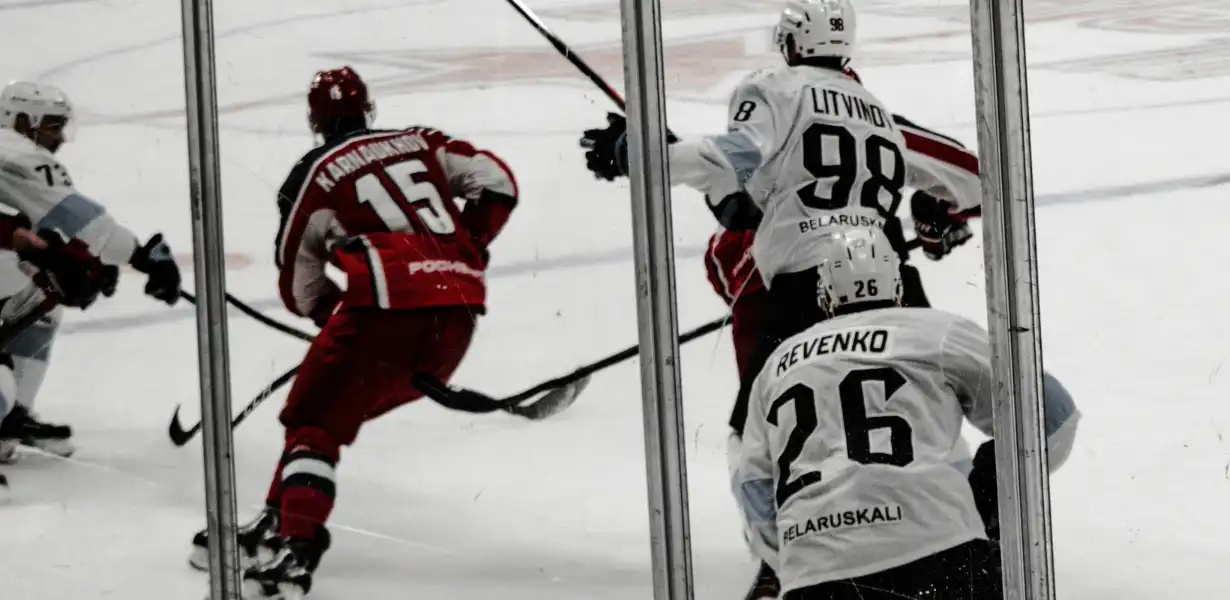
Hooking in hockey is a penalty that occurs when a player uses their stick to restrain or impede an opponent’s movement. This typically involves placing the stick around a player’s hands, arms, or body and applying a pulling motion that limits their ability to skate freely.
Understanding hooking is essential for players and fans alike, as it directly affects gameplay, scoring opportunities, and overall discipline on the ice.
Official Definition of Hooking in Hockey
Hooking is defined as using the stick in a way that pulls, restrains, or interferes with an opponent’s progress.
It does not require a dramatic motion, officials will call hooking even on subtle actions if they clearly impact a player’s ability to move. A quick tug on the hands or a stick wrapped briefly around the body can be enough to result in a penalty.
The key factor referees look for is loss of freedom of movement.
Common Situations Where Hooking Happens
Hooking penalties can occur in several game scenarios, especially during fast-paced or high-pressure moments:
Breakaways
When a player gets behind the defense, a trailing defender may reach with their stick and hook from behind to slow them down.
Board Battles
In tight puck battles along the boards, players may accidentally or intentionally wrap their stick around an opponent while fighting for control.
Defensive Zone Coverage
Defenders attempting to contain skilled forwards may use their stick improperly, leading to a hooking call.
Backchecking
Players hustling back on defense sometimes hook opponents from behind in an effort to disrupt a scoring chance.
Hooking Penalty in Hockey: What Are the Consequences?
When hooking is called, the penalty depends on the severity and situation of the infraction.
Minor Penalty (2 Minutes)
This is the most common outcome. The offending player serves two minutes in the penalty box, and their team plays shorthanded.
Penalty Shot
A penalty shot is awarded if a player is denied a clear scoring opportunity, ypically on a breakaway, due to hooking from behind. The fouled player is given a one-on-one chance against the goalie.
Major Penalty (5 Minutes)
Major penalties for hooking are rare and usually only assessed if the action is especially forceful, dangerous, or results in injury.
Why Hooking Is Penalized
Hooking is strictly enforced to preserve the integrity and safety of the game.
Maintains Fair Play
Hockey is built on speed and skill. Hooking removes that balance by illegally slowing opponents.
Improves Player Safety
Restraining a player with a stick can cause loss of balance and increase the risk of collisions or falls.
Encourages Proper Defense
Players are pushed to rely on positioning, skating, and stick discipline instead of illegal tactics.
How Referees Identify Hooking
Officials watch closely for these signs during gameplay:
• A stick wrapping around an opponent’s body or hands
• A pulling motion that slows or redirects a player
• Visible restriction of movement
• Loss of balance caused by stick contact
Even minimal contact can be penalized if it clearly impacts the play.
Hooking vs. Other Hockey Penalties
Hooking is often confused with similar stick infractions, but there are key differences:
Hooking vs. Holding
Hooking involves the stick, while holding involves using the hands or arms to restrain an opponent.
Hooking vs. Slashing
Slashing is a striking motion with the stick, while hooking involves pulling or restraining.
Hooking vs. Tripping
Tripping involves knocking or causing an opponent to fall using the stick, body, or leg. Hooking focuses on restricting movement, although it can sometimes lead to a fall.
How Hooking Impacts the Game
A hooking penalty can quickly change the momentum of a game.
Power Play Opportunities
The opposing team gains a man advantage, increasing their chances of scoring.
Momentum Shift
Penalties can swing energy and control toward the opposing team.
Player Discipline
Repeated penalties may lead to reduced ice time and affect a player’s role on the team.
Strategic Adjustments
Teams often adjust defensive strategies to avoid penalties, focusing on positioning rather than reaching with the stick.
How to Avoid Hooking Penalties
Players can reduce the risk of hooking penalties by focusing on strong fundamentals:
Control Your Stick
Keep your stick active without wrapping or reaching excessively.
Improve Skating
Good footwork allows players to stay in position without relying on their stick to recover.
Use Body Positioning
Stay between the opponent and the net instead of trying to pull them back.
Anticipate the Play
Reading the game reduces the need for desperate defensive actions.
Evolution of Hooking Enforcement
Hooking enforcement has become stricter over time, especially in professional leagues. This shift has led to:
• Faster gameplay
• Increased scoring
• Greater emphasis on skill and speed
Modern hockey rewards clean, disciplined play, making it even more important to understand and avoid penalties like hooking.
Why Understanding Hooking Matters
Knowing what hooking in hockey is helps players stay disciplined, avoid costly penalties, and play a cleaner, more effective game. By focusing on positioning, skating, and smart stick use, players can defend effectively without crossing the line.
For fans, understanding hooking adds another layer of insight into how the game is played—and why certain calls can have such a big impact on the outcome.