
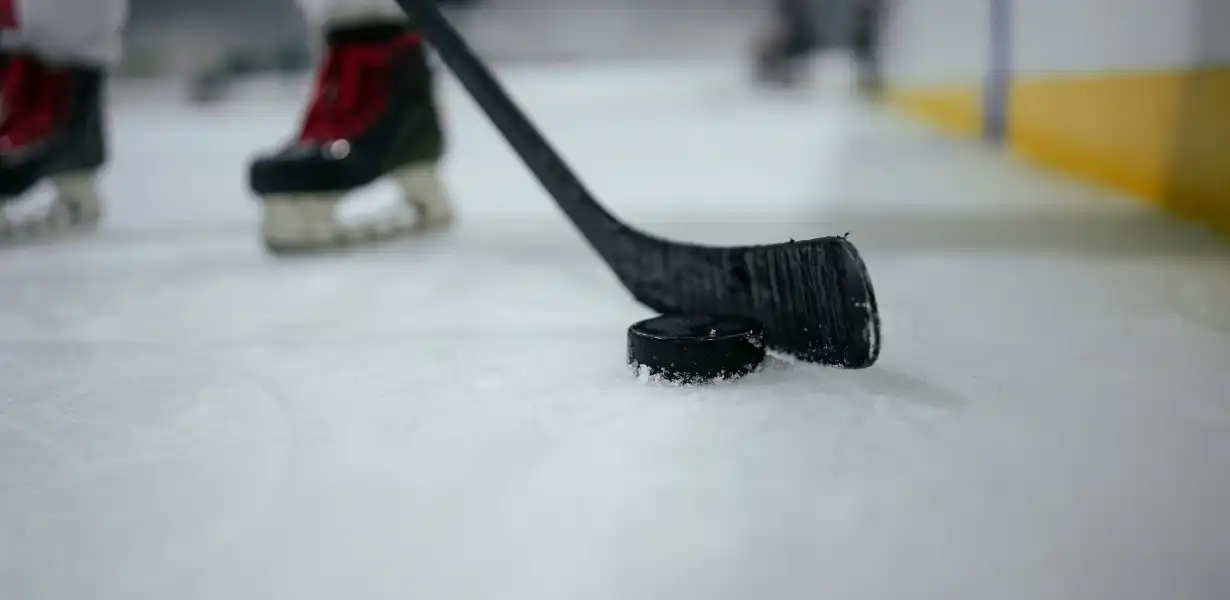
When you think of hockey, two things come to mind: the stick and the puck. The puck may look like a simple black disc, but its history is filled with quirky origins, big milestones, and even modern technology. From outdoor ponds to NHL arenas, the hockey puck has evolved into one of the most iconic pieces of sports equipment in the world.
Early Days: The First Pucks
Before the puck became standardized, players used whatever they could find on frozen ponds. Some accounts suggest they used chunks of wood, or even balls cut flat on the top and bottom to stop them from rolling. There are also stories of early games played with frozen cow dung—a piece of hockey folklore that may not be fully documented, but is widely believed in hockey tradition.
By the mid-1800s in Canada, flat wooden pucks were common. And in 1875, the very first recorded indoor hockey game in Montreal used a flat puck—likely wood, or a cut-down ball—instead of a round ball. This step was crucial in shaping the game we know today.
Rubber Takes Over
The next big leap came in the late 1800s with vulcanized rubber. Durable and uniform, it was perfect for fast-paced play. By the early 1900s, rubber pucks had become the standard in organized hockey.
The official size—1 inch thick, 3 inches wide, weighing 6 ounces—was adopted and remains unchanged in the NHL today.
Why black? Because visibility mattered. A black puck stood out on the white ice, making it easier to see for players, referees, and fans. That choice became iconic.
The First NHL Pucks
When the NHL was founded in 1917, rubber pucks were already the go-to. Early ones were often cut from old tires—rugged, if not perfect. By the 1940s, manufacturers were producing smooth, consistent, regulation-quality pucks.
Even today, the league uses plenty of them: roughly 40 to 50 frozen pucks per game, as each one gets chipped, worn, or ends up in the stands as a souvenir.
Special Pucks Through History
The puck might seem unchanging, but hockey has seen some creative versions:
• The FoxTrax Puck (1996–1999): Contained a chip that created a glowing trail on TV broadcasts. It wasn’t loved by hardcore fans, but it was an early attempt at tech innovation.
• Smart Pucks (2000s–Present): Modern pucks with sensors can track speed, movement, and location, now used in some NHL broadcasts to deliver real-time stats.
• Colored Pucks: Orange pucks weigh 10 ounces and are used in training to build shot power. Blue pucks weigh just 4 ounces and are designed for youth hockey, making it easier for kids to learn.
• Commemorative Pucks: Special editions celebrating championships, anniversaries, or team events are a fan favorite and a collector’s dream.
Why NHL Pucks Are Frozen
Here’s something casual fans may not know: NHL pucks are kept frozen before games. Warm rubber bounces unpredictably, almost like a super ball. Frozen pucks are harder, less bouncy, and glide more smoothly.
During a game, referees and officials swap out pucks every few minutes. That’s why teams keep dozens of frozen pucks on hand, ready to go.
The Puck in Hockey Culture
The puck is more than just equipment—it’s a piece of hockey culture. NHL players often toss warm-up pucks into the stands, creating lasting memories for kids lucky enough to catch one.
Historic pucks have also become legendary artifacts. Wayne Gretzky’s famous 50 goals in 39 games in 1981–82 is forever linked to the puck that crossed the line that night. And in some cases, Stanley Cup-clinching goal pucks have been preserved in the Hockey Hall of Fame.
How Pucks Are Made Today
Modern pucks are mass-produced under strict regulations. Factories in Canada, the Czech Republic, Slovakia, and China manufacture millions each year.
The process involves pressing vulcanized rubber into molds, cooling and trimming the discs, and stamping logos. Each puck is weighed and measured to ensure it hits official standards before ever touching the ice.
Final Thoughts: Small but Mighty
The hockey puck may be small, but its story is massive. From wooden blocks and pond myths to high-tech tracking pucks, it’s evolved right alongside the sport itself.
At All Black Hockey Sticks, we know the puck is only half the story—you need the right stick to control it. That’s why our carbon fiber hockey sticks are designed for precision, durability, and pure hockey performance. Just like the puck, they’re built for players who live for the game.