
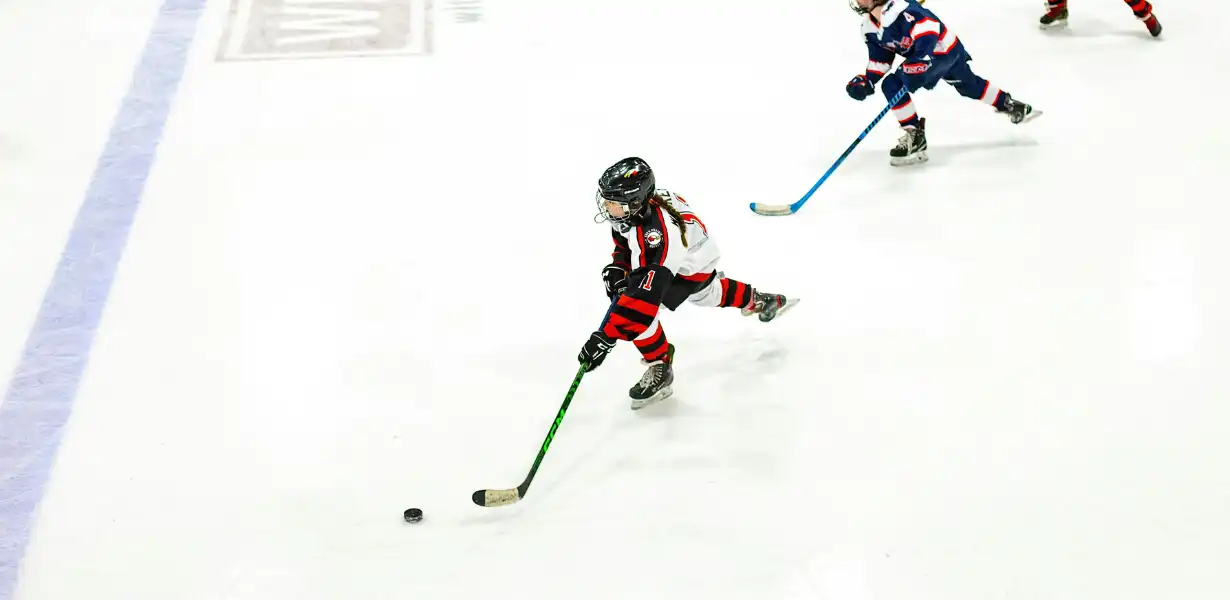
In hockey, the ability to handle the puck with finesse is what separates skilled players from the rest. Developing soft hands is crucial for controlling the puck in tight situations, executing deceptive moves, and threading passes through narrow lanes. Soft hands in hockey isn’t just about flair; it’s about precision, timing, and a natural connection between your hands and the puck.
Whether you’re toe-dragging in a 1-on-1 or corralling a tough pass in the slot, soft hands make the difference. Let’s break down how to build better puck feel and why your stick — like those from All Black Hockey Sticks (ABHS) — plays a key role in mastering this essential skill.
What Does “Soft Hands” Mean in Hockey?
“Soft hands” refers to the ability to smoothly handle the puck with control and finesse, absorbing its energy and reacting quickly. It’s not about being gentle — it’s about being responsive. Players with soft hands can dangle through defenders, make tape-to-tape passes in motion, and finish around the net with a quick release.
Think of the puck as an extension of your body. With the right feel, you can dictate its movement with precision. Soft hands give you that control.
Why Puck Feel Matters
Puck feel is your tactile connection to the game. It’s the difference between a clean first touch and a bobbled opportunity. It’s what allows players like Patrick Kane to create time and space in traffic, or Sidney Crosby to dominate down low in the corners.
Improving puck feel helps with:
• Stickhandling under pressure
• Receiving hard passes
• Shooting accuracy
• Quick dekes and changes in direction
And it all starts with training your hands to respond naturally and efficiently.
Stickhandling Drills to Develop Soft Hands
Here are some essential drills to help you develop soft hands and better puck control:
1. Figure 8 Around Cones
Set up two cones about a foot apart. Stickhandle a puck around them in a figure 8 motion. Focus on rolling your wrists, keeping your head up, and controlling the puck with minimal stick movement.
2. Toe Drag Pullbacks
Start with the puck in front of you. Drag it toward you with the toe of your blade, then push it back out quickly. This simulates recovering loose pucks or pulling defenders out of position.
3. Quick Hands Over a Line
Stand with a puck over a blue line or piece of tape. Move it rapidly side-to-side without crossing the line, then increase your speed. This builds hand speed and coordination.
4. Ball Work Off the Ice
Using a stickhandling ball or golf ball off the ice is a great way to train hand speed and feel. The harder surface exaggerates mistakes, helping you fine-tune your touch.
5. One-Handed Control
Practice moving the puck with just your top hand on the stick. This forces you to control the stick head through shoulder and wrist motion — great for strengthening finesse.
The Role of Your Stick in Developing Soft Hands
Having the right stick is key to unlocking true puck control. A stick that feels right in your hands improves feedback and touch. This is where All Black Hockey Sticks (ABHS) stands out.
ABHS offers carbon fiber sticks built for elite-level performance, starting at just $89. These sticks are lightweight, responsive, and available in various curves and flex ratings. The blade construction is built for durability and feel — giving you that subtle “pop” when the puck hits your tape.
Many players spend hundreds on top-brand sticks without realizing that you can get the same performance specs for less with ABHS. If you’re looking to develop soft hands, a stick that helps you feel the puck better is a must. ABHS delivers on that — without breaking the bank.
Soft Hands Don’t Happen Overnight
Just like a strong shot or fast skating stride, soft hands are built through repetition. Pro players spend hours every week just handling the puck. It’s a muscle memory game. And with the right stick in your hands, you’ll feel progress faster.
Here’s how to stay consistent:
• Warm up before games with off-ice stickhandling
• Use a shooting pad or tile surface at home
• Train with weighted pucks and balls
• Watch slow-motion footage of pros handling the puck
• Challenge yourself with blind drills (eyes up or closed)
The more you handle the puck, the better you get. And soon enough, the puck won’t feel like an object you control — it’ll feel like part of you.
Final Buzzer
Soft hands in hockey aren’t just about style — they’re about substance. The ability to read plays, move through traffic, and control the puck in tight spaces is a must-have for every player. It starts with daily training, smart drills, and choosing the right gear for your hands.
All Black Hockey Sticks gives players of all levels access to pro-level sticks with premium puck feel, customizable features, and a price that lets you focus on the game — not your wallet.
Want to build better puck control without blowing your budget?
Start with your hands. Upgrade your stick. Take control.
#SoftHands #PuckControl #Stickhandling #HockeyDrills #AllBlackHockeySticks #ABHS #AffordableHockeyGear #HockeyStickFeel #CarbonFiberStick #HockeySkills #HockeyLife #StickTech