
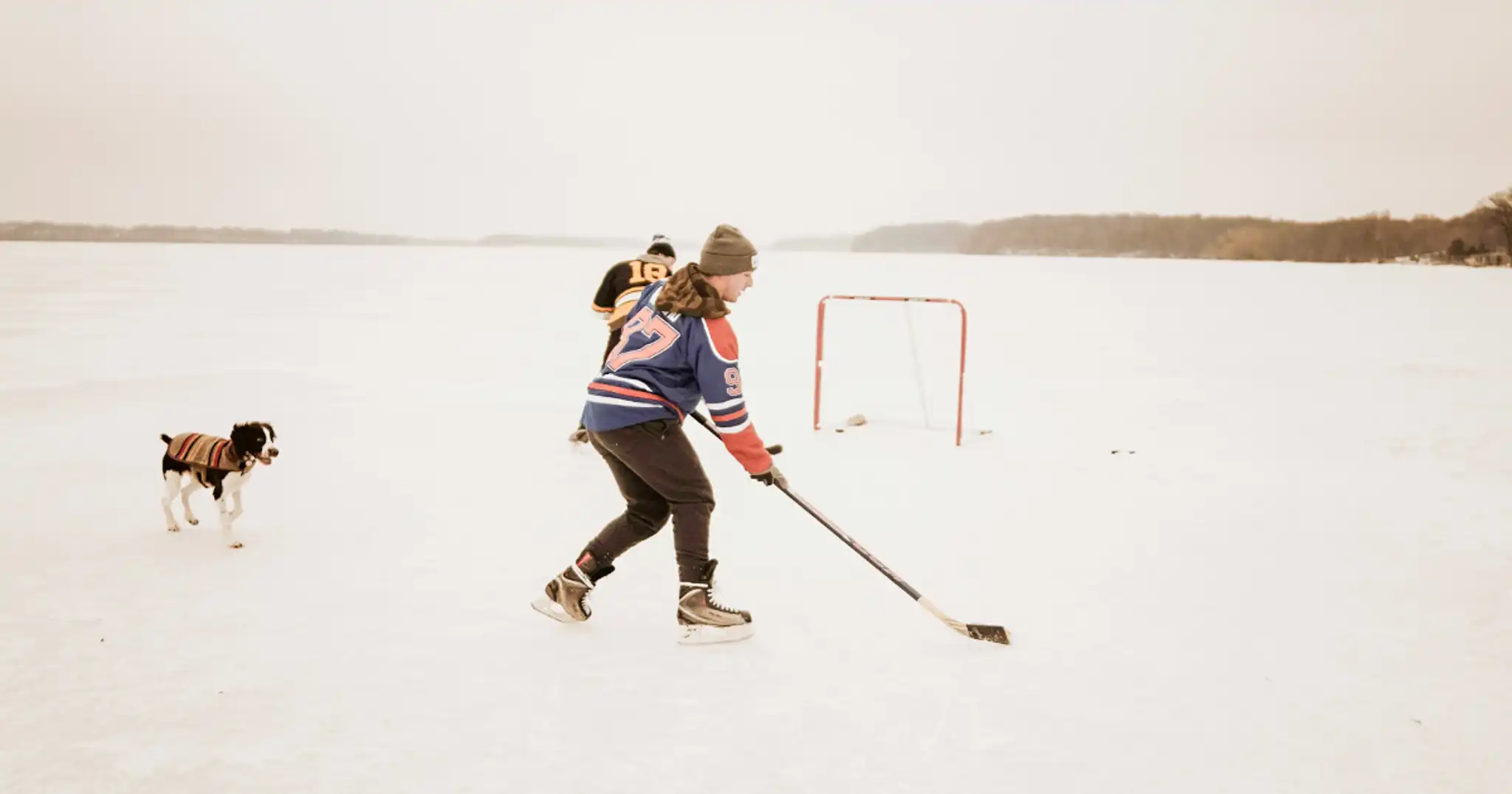
Pond hockey is a cherished tradition for many players and fans of the sport. The raw simplicity of lacing up your skates and stepping onto a frozen lake or pond embodies the purest form of hockey. It’s a place where lifelong memories are created, and the love for the game is renewed. However, playing on natural ice introduces unique risks that are not present in indoor rinks. Proper preparation and attention to safety are essential to ensuring that pond hockey remains an enjoyable and safe experience. This article outlines key guidelines and precautions for safely playing pond hockey.
Understanding Ice Conditions
The first and most crucial aspect of pond hockey safety is ensuring that the ice is thick and stable enough to support players. Experts recommend that the ice be at least four inches thick for skating and small games, with a thickness of six inches or more for larger groups or heavier activities. Clear, blue ice is typically the strongest and safest, while white or snow-covered ice can be weaker due to trapped air and inconsistent freezing. Areas near inlets, outlets, or flowing water should always be avoided, as these spots tend to freeze unevenly and remain unstable.
Before stepping onto the ice, thoroughly inspect the surface. If possible, consult with local authorities, park services, or seasoned outdoor skaters to verify the ice’s safety. Bringing tools such as an ice auger or drill can help you measure the thickness accurately. Regularly check conditions throughout the day, as changing temperatures or sunlight can weaken the ice unexpectedly.
Proper Equipment and Gear
Even though pond hockey is often played in a more casual setting than indoor games, proper equipment is still essential for safety. Wearing a helmet should be a non-negotiable part of your gear, as falls on natural ice can be unpredictable and lead to head injuries. Additionally, elbow pads, shin guards, and hockey gloves are highly recommended to protect against falls, errant sticks, or flying pucks.
Skates designed specifically for hockey provide the best support and maneuverability, especially on uneven outdoor surfaces. Dressing appropriately for cold weather is equally important. Layers are the best approach, starting with moisture-wicking base layers, followed by insulating clothing and a windproof outer layer. Don’t forget warm socks, gloves, and a hat or balaclava to protect against frostbite.
Communication and Visibility
When playing on a frozen pond or lake, visibility is critical to avoiding accidents. Setting up a designated play area with cones, flags, or other markers helps keep the game organized and safe. Brightly colored jerseys or clothing can make players stand out, especially during low-light conditions. As the day progresses and natural light fades, consider wrapping up the game to avoid unnecessary risks.
Communication among players is another important safety measure. Make sure everyone understands the layout of the play area and any potential hazards. Establish a buddy system, ensuring that no one skates or ventures onto the ice alone. In case of an emergency, having a whistle or another signal device can help players alert each other quickly.
Weather Awareness
Outdoor conditions can change rapidly, and it’s important to be prepared. Pay close attention to the weather forecast before heading out, especially for temperature fluctuations, which can impact ice stability. Dressing for the cold is vital, but overexertion can lead to sweating, which increases the risk of hypothermia. Stay dry by removing layers when needed and taking regular breaks indoors to warm up.
Emergency Preparedness
No one expects an accident, but being prepared can make all the difference in an emergency. Essential safety equipment includes a rope, ice picks, and a first aid kit. Ice picks can help a player pull themselves out of the water if they fall through, while a rope allows others to assist from a safe distance. Ensure that someone in your group is familiar with basic first aid and knows what to do in the event of hypothermia or other cold-weather injuries.
Equally important is maintaining a clear plan for what to do if someone falls through the ice. The first priority is to avoid panicking and to keep others away from the weak area. Use the rope or extend a stick to help the person climb out without putting additional weight on the ice.
Environmental Respect
Pond hockey is a celebration of nature as much as it is of the game. Respecting the environment is a responsibility all players should take seriously. Clean up after your group by removing any trash or equipment. Leaving the play area in pristine condition ensures that it can be enjoyed by others and maintains the natural beauty of the surroundings.
The Joy of Safe Play
By following these guidelines, players can fully embrace the magic of pond hockey while minimizing risks. The key to a successful outing is preparation: understanding the ice, wearing the right gear, communicating effectively, and planning for emergencies. With these measures in place, you can focus on the fun and camaraderie that make pond hockey such a beloved pastime.
Pond hockey is more than just a game—it’s a tradition, a connection to nature, and a reminder of the joy that comes from playing for the love of the sport. By prioritizing safety, you ensure that every skate, pass, and shot is a part of a positive, memorable experience. Stay safe, play smart, and enjoy every moment on the ice!