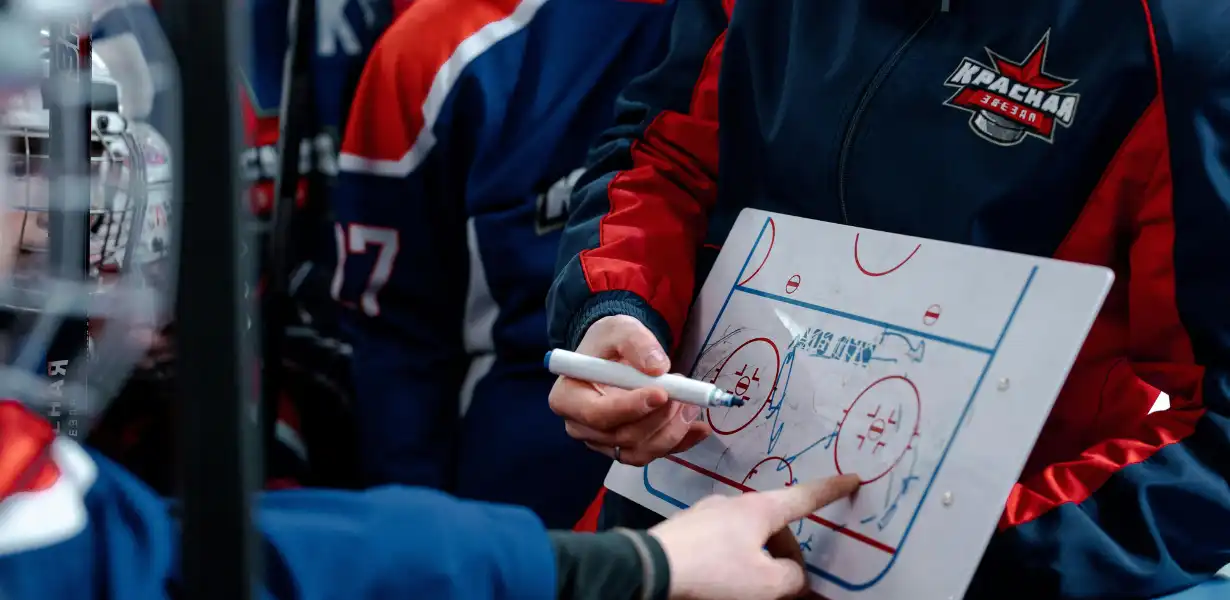
Hockey is a sport built on speed, structure, and sportsmanship, but discipline applies to more than just the players on the ice. It’s crucial to understand why team officials can be penalized from the bench, especially for coaches and staff responsible for leading their team through fast-paced, high-pressure matchups.
Who Are Team Officials?
Team officials are defined as non-playing personnel listed on the official game sheet. This includes head coaches, assistant coaches, trainers, and equipment managers. These individuals are vital to a team’s success, but with that responsibility comes the need to follow the same rules and standards that players must obey.
When officials on the bench behave in ways that violate the spirit or structure of the game, referees have the authority to penalize them—and those penalties can carry real consequences for the team.
What Happens When Team Officials Cross the Line?
So, why would a team official receive a penalty from the bench? The most common situation is a bench minor penalty, which results in a two-minute penalty served by a player on the ice. Although the infraction originates with someone behind the boards, the team pays the price.
Bench minor penalties for team officials are typically assessed when:
• A coach uses inappropriate or abusive language toward referees or opposing players
• The bench creates confusion or delays during line changes
• Items are thrown onto the ice surface in frustration
• There are too many players on the ice due to substitution errors
• The official intentionally delays the game through unsportsmanlike conduct
These are just a few examples that show why team officials might face penalties from the bench during a game. It’s about maintaining order and ensuring fairness.
Understanding Delay of Game Infractions
One area that draws frequent penalties is delaying the game. While each team is allowed one timeout, referees may penalize a team if the bench staff engages in repeated stalling tactics—such as arguing calls, slow player substitutions, or feigning equipment issues.
It’s not the timeout itself that’s penalized, but rather the behavior surrounding it. If it’s used as part of a pattern to disrupt the game’s flow, referees can issue a bench minor for unsportsmanlike delay.
This explains another scenario where team officials may be penalized from the bench: using their role strategically—but unfairly—to interfere with the pace of play.
Misconduct and Game Misconduct Penalties
For more serious behavior, referees have the option to escalate penalties beyond the bench minor.
Misconduct Penalty (10 minutes)
A misconduct penalty removes a team official from the bench area for ten minutes. This limits their influence on strategy and communication but doesn’t result in ejection from the game.
Game Misconduct Penalty (Ejection)
A game misconduct penalty, on the other hand, results in the team official being ejected for the remainder of the game. This is typically issued in response to:
• Continued abuse of officials after a warning or bench minor
• Threatening language or gestures
• Encouraging violent or unsportsmanlike behavior
• Using discriminatory or offensive language (which most leagues enforce with a zero-tolerance policy)
Situations like these clearly demonstrate why team officials can face removal from the bench—the behavior goes beyond momentary frustration and becomes a threat to the integrity of the game.
Impact on Game Flow and Team Morale
Bench penalties do more than just put a team shorthanded—they can change the entire momentum of a game. A poorly timed penalty resulting from a coach’s misconduct might hand the opposing team a power play or take away critical leadership at key moments.
Especially in youth and amateur hockey, removing a coach from the bench can leave players confused, unsupported, and more likely to lose focus. That’s why bench discipline is crucial, not just for staying out of the penalty box, but for keeping the team composed and competitive.
How Coaches and Staff Can Avoid Penalties
To avoid scenarios where team officials might be penalized from the bench, here are some best practices:
• Know the rulebook. Understanding what can and can’t be said or done from the bench is the first step.
• Communicate with referees professionally. Disagreements happen, but tone and respect matter.
• Maintain emotional control. A single outburst can put your team on the penalty kill.
• Model good behavior for players. Coaches set the tone for how their team handles adversity.
In fact, many coaching certification programs specifically emphasize these responsibilities. Hockey culture values passion—but not at the expense of sportsmanship or structure.
Why Discipline Behind the Bench Matters
Understanding why team officials can be penalized from the bench is essential for anyone guiding a team from behind the glass. Whether it’s a two-minute bench minor or an ejection from the game, these penalties aren’t handed out lightly, they serve to protect the fairness and flow of hockey.
Staying composed behind the bench isn’t just good leadership, it’s a competitive advantage. Because when the bench is calm, the team can focus on the ice.