
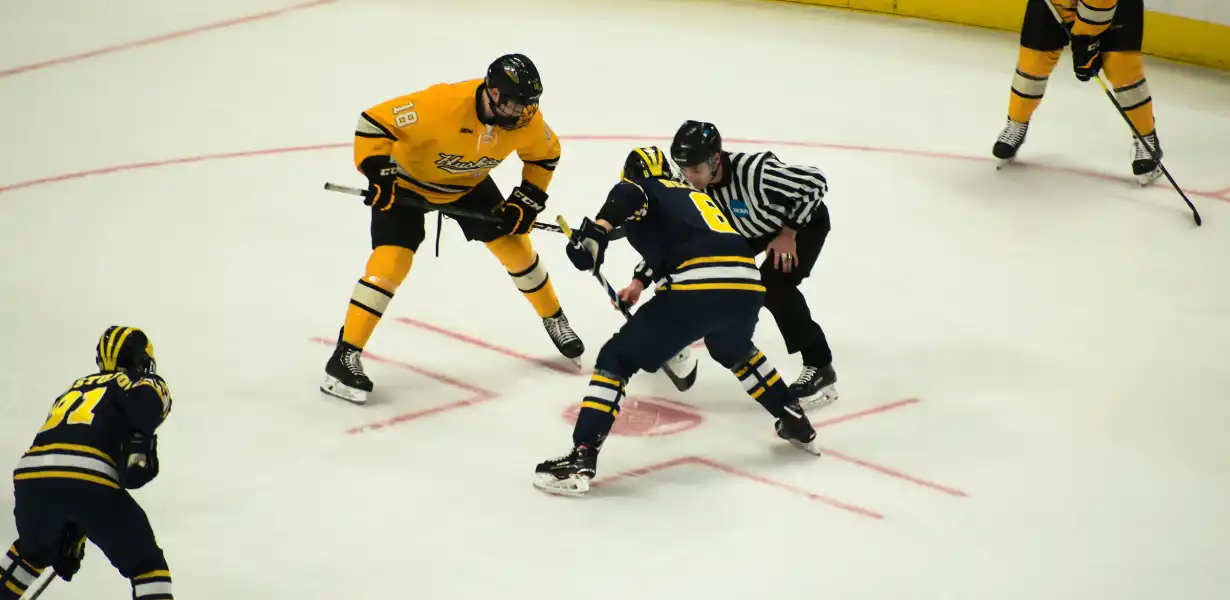
Every hockey fan has felt the tension when the announcer declares, “Last minute of play in the period!” The crowd buzzes, players dig deeper, and coaches sharpen their focus. The last minute of play in hockey is not just a countdown. It comes with unique emphasis, strategies, and officiating precision that distinguish it from the rest of the game. From time management to tactical risks, this short window can completely shift momentum and determine the outcome of a matchup.
This article explores what makes the last minute of play rules different, how teams adjust, and why fans love this high-stakes stretch of hockey.
Time Management and Clock Stoppages
One of the biggest distinctions during the final minute is how strictly the game clock is managed. Officials pay extra attention to every second, ensuring no time is wasted. Any stoppage, no matter how small, becomes critical.
In the NHL, the clock stops for goals, penalties, offsides, and icings throughout the entire game. During the last minute, this precision intensifies because a single second can mean the difference between a tying goal or a heartbreaking loss. Coaches often lobby hard for accurate time reviews, especially in close games.
Strategic Goalie Pulls
Another hallmark of the last minute of play is the tactical decision to pull the goaltender. Coaches may remove the goalie for an extra attacker, creating a six-on-five advantage. This high-risk move can generate scoring opportunities but leaves the net exposed for an empty-net goal.
Timing is everything. Some coaches wait until under 60 seconds remain before pulling the goalie, while others take the gamble earlier if possession is secure. Fans know that once the goalie heads to the bench, the intensity skyrockets.
Icing and Faceoff Importance
The rules around icing stay the same throughout the game, but they take on extra weight in the final minute. A defensive icing not only halts play but also forces a critical faceoff in the defending zone without allowing a line change.
In this situation, faceoffs become make-or-break moments. Winning or losing the draw can immediately swing momentum. Teams often deploy their best faceoff specialist to control possession when it matters most.
Penalties and Special Teams
A penalty in the final minute can drastically change the outlook of the game. If a team is already trailing, a late penalty kills any chance of a comeback. On the other side, a team with a power play gains a massive edge.
Penalty shots are awarded any time during the game if a skater is denied a scoring opportunity on a clear breakaway — including the last minute. While not unique to this stage, the timing makes such calls especially dramatic.
Video Review and Accuracy
The NHL has expanded its use of video review, and the last minute of play is where these reviews shine. In the final minute of regulation and during overtime, all reviews are automatically initiated by the Situation Room in Toronto, not by coaches’ challenges. Goals are checked closely for offsides, goaltender interference, or high sticks.
Fans might groan at delays, but most agree that fairness is crucial when the game hangs in the balance.
Momentum and Crowd Impact
From a psychological standpoint, the final minute carries an energy unlike any other. Players dig deeper, crowds rise to their feet, and every pass or shot is magnified. For teams on home ice, the crowd’s roar can feel like a seventh skater pushing them toward victory.
The pressure of the countdown clock forces athletes to focus at a level that’s hard to replicate earlier in the game. Some thrive in this environment, becoming clutch performers known for late-game heroics.
Coaching Adjustments
Coaches save certain plays for the last minute of regulation. These might include set faceoff formations, practiced breakouts, or designed screens in front of the net. With so little time left, every possession must count.
Timeouts are also critical. Coaches often use their timeout in the last minute to rest top players, draw up plays, or disrupt an opponent’s rhythm. This tactical pause can reset a team’s focus and spark a final push.
Differences in Overtime and Playoffs
In the playoffs, overtime is full 5-on-5 sudden death and continues in 20-minute periods until a goal is scored. The last minute of regulation in the playoffs carries incredible weight because a tying or go-ahead goal can completely shift the momentum of a series. Officials face intense scrutiny in these moments, with every call reviewed closely to maintain fairness.
Why Fans Love the Last Minute of Play
The final minute combines skill, strategy, and raw emotion in a way few sports can match. Hockey’s speed and fluidity mean a goal can happen in seconds, making the outcome uncertain until the horn sounds.
This unpredictability keeps fans glued to their seats and gives rise to some of the sport’s most iconic moments. From buzzer-beaters to empty-net goals, the last minute is a spectacle in itself.
Final Buzzer
The last minute of play rules are what make hockey so thrilling. With strict clock management, strategic goalie pulls, and heightened officiating, the final stretch is unlike any other part of the game. It is a showcase of precision, risk, and heart, where every second matters and legends are made.
For fans and players alike, those sixty seconds remind us why hockey is the fastest and most exciting sport on ice.