
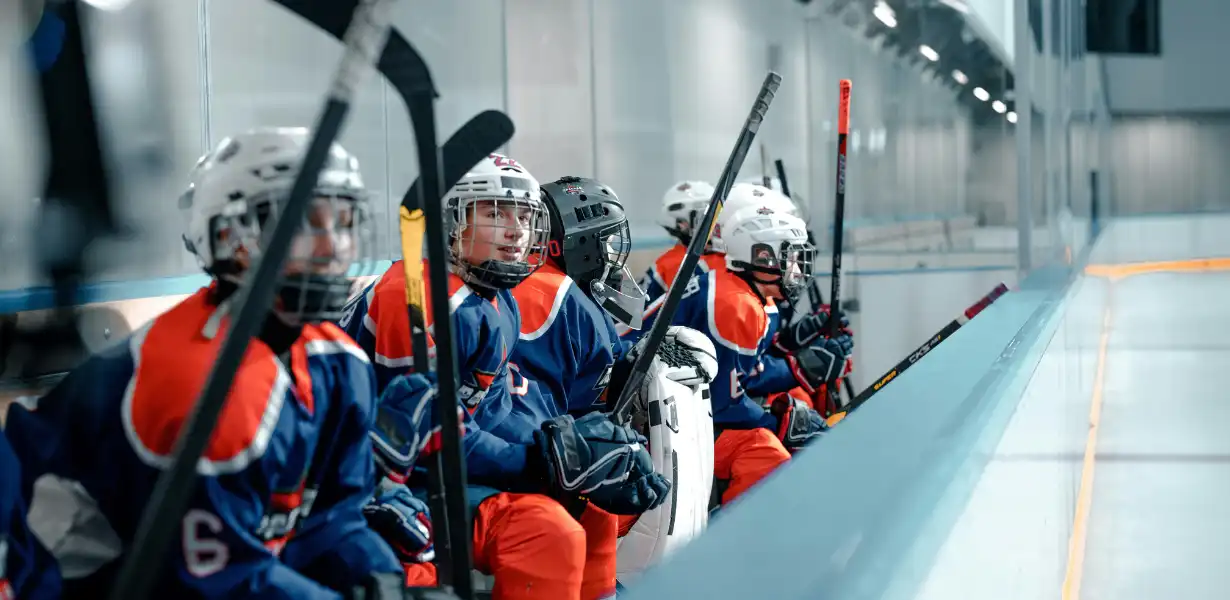
Having the right gear isn’t just about style, it’s about performance, protection, and confidence on the ice. As players grow, their gear needs change, and staying ahead of those changes is crucial for developing skills and staying safe. Understanding how gear fit changes as hockey players grow helps players stay sharp and avoid injuries. From mites to juniors to adults, every stage of a player’s growth comes with unique gear considerations.
Let’s break it down by gear type and stage of development, because dialed-in fit means dialed-in performance.
Skates: The Foundation of Every Stride
Skates are arguably the most important piece of hockey gear in terms of fit. Young players often start with skates that offer more padding and support to accommodate developing ankles. But as they grow, their feet lengthen, their skating stride changes, and their gear needs shift.
• Youth (ages 4–8): Soft boots, thicker padding, and slightly more room in the toe box help young players find their balance.
• Junior (ages 7–13): As leg strength improves, players benefit from stiffer boots that offer better energy transfer and ankle support.
• Intermediate & Senior: A snug, performance-fit skate becomes essential. At this point, poor fit can lead to blisters, instability, and even hinder speed and agility.
Frequent foot measurements and re-fitting are key. Many players don’t realize how fast their feet grow—and how quickly a too-small skate can limit development.
Sticks: Flex and Length Make the Difference
Hockey sticks are one of the most noticeable gear changes as a player grows. Stick length, flex, and blade curve all need to evolve with size, strength, and playing style.
• Young players need lightweight sticks with low flex ratings to help them learn proper mechanics. A stick that’s too stiff can force awkward shooting habits.
• Tweens and teens transitioning into intermediate or junior sticks often need to adjust flex as their strength increases. A growing player might jump from a 40 flex to a 65 flex within a few seasons.
• High schoolers and adults benefit from fine-tuning their blade pattern and flex to match their position—snipers may go for a whippier flex, while D-men lean toward stiffer setups for heavy shots and poke checks.
Length is also a critical factor. A stick that’s too long or short changes puck control and shot power. That’s why it’s important to size sticks upright (nose to chin test) with skates on, and cut or extend as needed.
Shoulder Pads, Elbows, and Shin Guards: Protection That Grows With You
As bodies change, so does the level of protection required.
• Youth sizes prioritize coverage and flexibility, often with removable padding and looser fits for comfort.
• Junior and intermediate gear becomes more anatomical, providing better mobility without sacrificing protection. Bulk gets trimmed down while materials get upgraded.
• Senior level gear is designed for high-impact play. The fit is close to the body, with advanced foams and hard caps to absorb and deflect heavy hits.
Improperly sized protection gear—especially elbow pads and shin guards—can lead to gaps in coverage or restricted movement. And let’s face it, no one wants to eat a slapper on an exposed knee cap.
Helmets: Brain Protection Isn’t One-Size-Fits-All
Your brain deserves the best protection, and helmet fit is non-negotiable.
Kids may start with one-piece shell helmets that are easy to adjust, but as players grow, head shape and size changes can make older helmets obsolete. A snug fit, with no wobble or pinch, is vital for concussion prevention and comfort.
Check for:
• Even pressure around the head
• Chin strap centered and snug
• Helmet sitting just above the eyebrows
Players should reevaluate helmet fit every season, especially during major growth spurts. Gear that was “fine last year” can be a major safety issue today.
Gloves: Control and Protection Go Hand-in-Hand
Young players need gloves that offer flexibility and a good feel for the stick. As they get older and start dishing passes or ripping clappers, they’ll need gloves with more structured padding and reinforced palms.
Growing hands mean players often size out of gloves faster than they expect. Gloves that are too small expose the wrist; too big, and you lose feel and control. A good fit means fingertips sit just short of the end of the glove.
How to Know It’s Time for New Gear
• Frequent complaints of discomfort
• Visible gaps in protection
• Poor performance due to improper fit
• Growth spurts or changes in body shape
• Falling behind in speed, power, or agility
Parents and players should do a full gear check at least once per season. Growth isn’t always obvious until it shows up in missed passes, slower skating, or new aches and pains.
Fit vs. Performance: A Constant Balance
As players grow, finding the balance between comfort and performance becomes more important. A stick with the right flex but poor length won’t help your shot. Skates that feel good in the store might not deliver on-ice results. Every piece of gear must be evaluated not just for fit, but for how it impacts a player’s style of play.
And here’s the key: proper gear fit isn’t just for elite players. It’s for everyone who wants to play the game at their best. Whether it’s youth leagues or beer league, gear that fits right helps keep you playing longer, stronger, and safer.
ABHS: Gear That Grows With the Game
All Black Hockey Sticks (ABHS) understands how gear needs change as players develop. That’s why we offer sticks in multiple flexes, lengths, and blade patterns—so players can find the right fit for their stage of the game. Whether you’re a fast-growing forward or a hard-hitting D-man, ABHS makes high-performance sticks at prices that won’t break the bank. Starting at just $89, our carbon fiber sticks deliver the performance you need without the markup .
Final Buzzer
Gear fit is a moving target as players grow, but staying on top of it is a difference-maker in development, safety, and success. Regular check-ins, proper sizing, and knowing when to upgrade are essential parts of every player’s journey.
From your first strides to lighting the lamp in overtime, the right gear makes all the difference.