
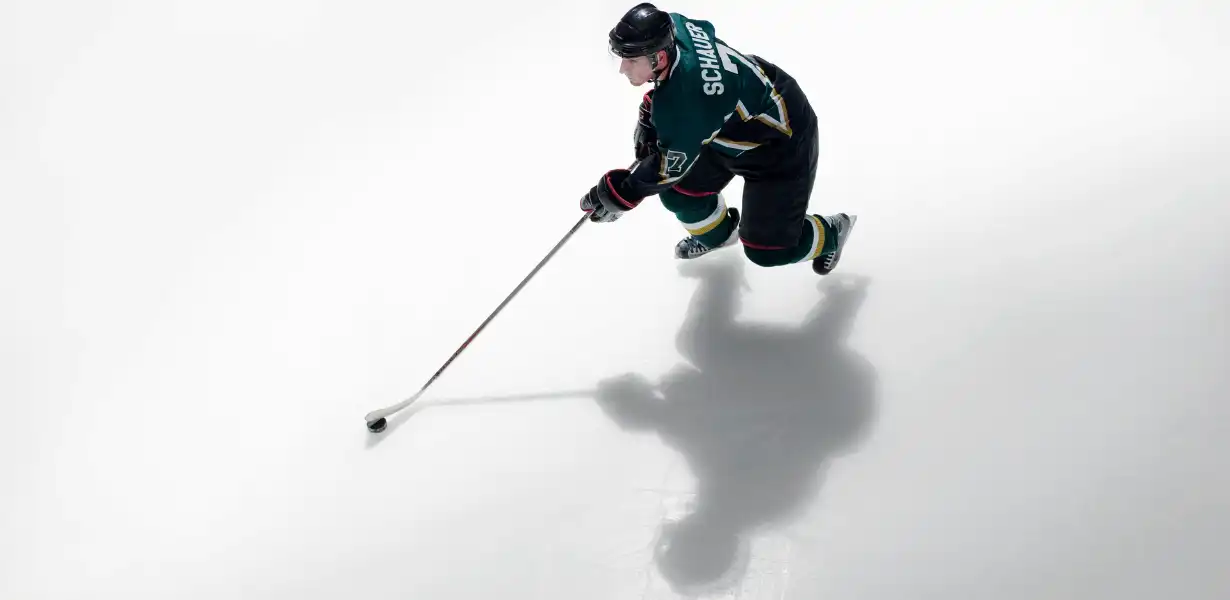
Speed wins races, creates separation, and turns good hockey players into dangerous ones. Yet many players spend hours chasing better conditioning or harder shots while ignoring the single most important skill on the ice: skating efficiency. Fixing common stride inefficiencies can instantly improve speed, balance, and endurance without adding extra training hours.
A powerful hockey stride is not about brute force. It is about precision, body alignment, and energy transfer. Small technical mistakes repeated hundreds of times per shift add up to wasted power and early fatigue. This guide breaks down the most frequent stride problems and shows how fixing common stride inefficiencies leads to smoother acceleration, stronger edge control, and sustained speed throughout the game.
Why Fixing Common Stride Inefficiencies Matters
Every stride should push you forward, not up, not sideways, and not into wasted motion. Inefficient skating forces players to work harder for less speed, draining legs and limiting explosiveness late in games.
Fixing common stride inefficiencies helps players:
• Generate more speed with fewer strides
• Maintain balance through contact and transitions
• Improve agility in tight spaces
• Reduce unnecessary fatigue
• Create consistent acceleration shifts after shift
At higher levels of hockey, efficiency separates average skaters from elite ones. Even small improvements in stride mechanics translate into noticeable gains on the ice.
Inefficiency #1: Standing Too Upright
One of the most common stride problems is skating too tall. An upright posture limits knee bend, shortens stride length, and reduces power transfer from the legs into the ice.
Why It Hurts Your Stride
• Less knee flexion means weaker pushes
• Higher center of gravity reduces balance
• Slower acceleration out of stops
How to Fix It
Fixing common stride inefficiencies starts with posture. Focus on:
• Bent knees with weight centered over the mid-foot
• Chest slightly forward, not hunched
• Hips loaded like a spring ready to release
A lower stance allows you to drive through the ice rather than skating on top of it.
Inefficiency #2: Pushing Straight Back Instead of Sideways
Power in a hockey stride comes from pushing out and back at an angle, not straight behind you. Many players waste energy by extending the leg backward rather than driving sideways through the edge.
Why It Hurts Your Stride
• Reduces force applied to the ice
• Shortens glide phase
• Causes slipping instead of propulsion
How to Fix It
When fixing common stride inefficiencies, think “push to the side, finish behind.”
Key cues include:
• Drive through the inside edge
• Extend fully through the hip, knee, and ankle
• Finish with the toe pointing outward
This creates longer glide phases and smoother acceleration.
Inefficiency #3: Incomplete Leg Extension
Short, choppy strides rob players of speed. Many skaters rush their stride recovery and never fully extend their pushing leg.
Why It Hurts Your Stride
• Less power per stride
• More strides required to maintain speed
• Increased fatigue
How to Fix It
Fixing common stride inefficiencies means maximizing each push:
• Fully extend the pushing leg
• Hold the glide briefly before recovery
• Avoid snapping the foot back too quickly
Quality strides beat fast feet every time.
Inefficiency #4: Poor Weight Transfer
Effective skating requires clean weight transfer from one leg to the other. Players who keep weight centered between both skates lose stability and power.
Why It Hurts Your Stride
• Weak edge engagement
• Reduced balance
• Less efficient transitions
How to Fix It
To improve weight transfer:
• Commit fully to the gliding leg
• Stack shoulders over hips and knee
• Trust the edge during glide
Fixing common stride inefficiencies often starts with learning to skate on one leg at a time.
Inefficiency #5: Excessive Vertical Motion
If your head bobs up and down while skating, energy is being wasted vertically instead of driving forward.
Why It Hurts Your Stride
• Energy loss
• Slower top speed
• Reduced stability during contact
How to Fix It
Focus on staying level:
• Keep knees flexed throughout the stride
• Avoid popping up during extension
• Drive hips forward, not upward
Smooth, low skating equals sustained speed.
Inefficiency #6: Weak Recovery Leg Path
After the push, the recovery leg should return efficiently under the body. Wide or looping recoveries slow cadence and disrupt balance.
Why It Hurts Your Stride
• Slower stride rate
• Poor alignment
• Increased drag
How to Fix It
Fixing common stride inefficiencies includes refining recovery mechanics:
• Pull the skate straight back under the hips
• Keep the blade close to the ice
• Prepare quickly for the next push
Efficient recovery allows faster acceleration without extra effort.
Drills That Help Fix Common Stride Inefficiencies
Incorporating targeted skating drills reinforces proper mechanics:
• One-leg balance glides
• Slow-stride exaggerated pushes
• Edge control figure eights
• Resistance band stride drills
Quality reps with proper form matter more than speed during skill development.
Off-Ice Habits That Improve Stride Efficiency
Stride mechanics depend on strength and mobility. Fixing common stride inefficiencies often requires addressing off-ice limitations:
• Hip mobility for full extension
• Ankle flexibility for edge control
• Single-leg strength for balance
• Core stability for posture
Improving these areas supports cleaner, more powerful skating on the ice.
Final Thoughts on Fixing Common Stride Inefficiencies
Skating faster does not always mean working harder. Often, it means skating smarter. By identifying technical flaws and focusing on efficiency, players unlock speed, balance, and endurance that were already available to them.
Fixing common stride inefficiencies is one of the fastest ways to improve overall performance, regardless of position or level. Cleaner mechanics lead to stronger pushes, smoother glides, and confidence every time your blades hit the ice.