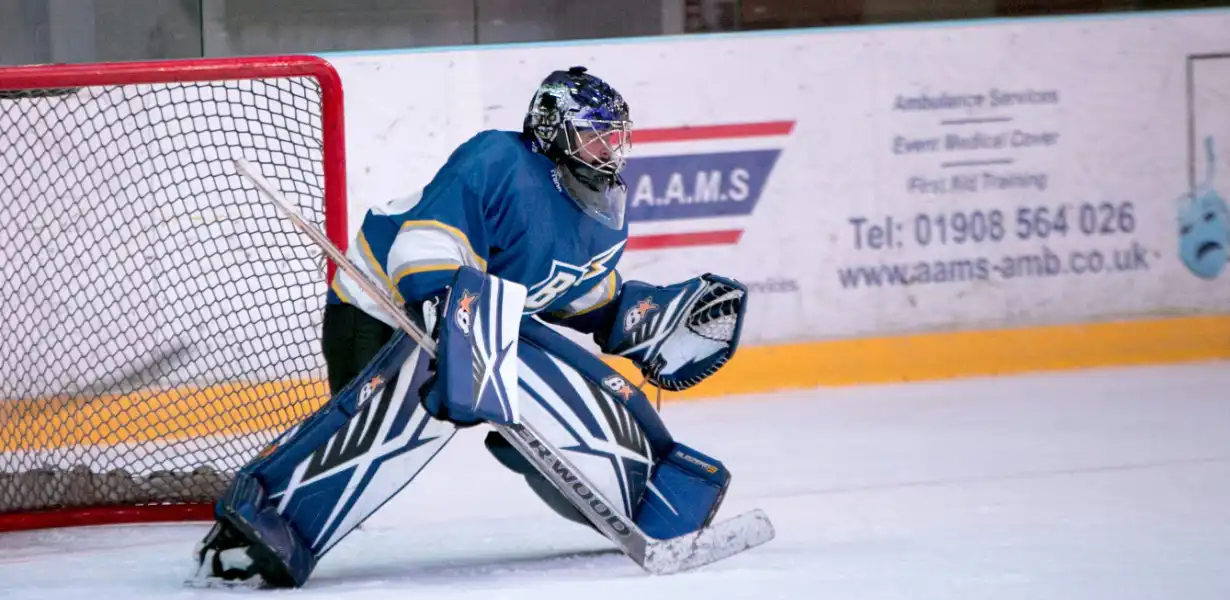
If you’ve ever watched a hockey game and wondered, why can’t goalies play the puck everywhere behind the net, you’re not alone. It’s one of the most misunderstood rules in hockey, especially for newer fans. Goalies are allowed to handle the puck, but only within specific areas. Step outside those boundaries, and it results in a penalty that can quickly shift momentum.
This rule isn’t random. It was introduced to improve the pace of play, increase offensive opportunities, and preserve balance between positions. In this article, we’ll break down exactly why goalies can’t play the puck everywhere behind the net, how the rule works, and its impact on modern hockey.
What Is the Goalie Puck-Handling Rule?
To fully understand why can’t goalies play the puck everywhere behind the net, you need to know the rule itself.
The NHL introduced the trapezoid rule after the 2004–05 lockout. This rule restricts where a goalie can legally play the puck behind the goal line. The allowed area forms a trapezoid shape extending from the goalposts outward to the end boards.
Inside the trapezoid: Goalies can play the puck
Outside the trapezoid (corner areas): Goalies cannot play the puck
If a goalie plays the puck outside this designated area, they receive a two-minute minor penalty for illegal puck handling.
Why Can’t Goalies Play the Puck Everywhere Behind the Net?
1. To Improve Game Flow and Pace
A major reason behind why can’t goalies play the puck everywhere behind the net is to keep the game moving.
Before the rule, highly skilled puck-handling goalies could disrupt offensive pressure by quickly retrieving dump-ins and moving the puck to their teammates. This reduced sustained offensive zone time and slowed the overall flow of play.
The rule helps ensure more continuous action and fewer easy breakouts.
2. To Encourage Forechecking
Forechecking is a key part of hockey strategy. Teams rely on dumping the puck into the offensive zone and pressuring defenders to force mistakes.
If goalies could freely play the puck everywhere behind the net, they would:
Neutralize dump-and-chase tactics
Reduce turnovers
Make zone exits easier
By limiting goalie movement, the rule keeps forechecking effective and maintains offensive pressure.
3. To Increase Scoring Opportunities
Another important reason why can’t goalies play the puck everywhere behind the net is to generate more offense.
When goalies are restricted:
Defensemen must retrieve pucks under pressure
Mistakes become more likely
Turnovers lead to scoring chances
This creates more high-danger situations, which translates into more goals and a more exciting game.
4. To Maintain Positional Balance
Hockey is built around clearly defined roles. Goalies are primarily responsible for stopping shots, not acting as an extra defenseman.
Allowing unrestricted puck handling would:
Give teams with elite puck-handling goalies a significant advantage
Reduce the importance of defensemen in breakouts
Shift the balance of gameplay
The trapezoid rule ensures each position maintains its intended role.
The History Behind the Rule
Understanding why can’t goalies play the puck everywhere behind the net requires a look at hockey history.
Before 2005, goalies could play the puck anywhere behind the net. This era featured elite puck-handlers like Martin Brodeur, who was exceptionally skilled at stopping dump-ins and making quick outlet passes.
While this skill was impressive, it made offensive pressure less effective and reduced scoring chances. The NHL responded after the lockout by introducing the trapezoid rule to promote a faster, more offense-driven game.
How the Trapezoid Changes Game Strategy
The answer to why can’t goalies play the puck everywhere behind the net becomes even clearer when looking at strategy.
Offensive Strategy
Teams now aim dump-ins toward the corners outside the trapezoid, forcing:
Defensemen to retrieve the puck
Quick decisions under pressure
Increased chances of turnovers
Defensive Strategy
Defensemen must:
Skate harder to retrieve pucks
Communicate effectively with their goalie
Execute quicker breakout passes
Goalies still assist, but only within legal areas.
Goalie Adaptation
Modern goalies continue to develop puck skills, focusing on:
Playing the puck within the trapezoid
Stopping rims along the boards
Supporting defensemen without taking penalties
What Happens If a Goalie Breaks the Rule?
If you’re still wondering why can’t goalies play the puck everywhere behind the net, enforcement plays a key role.
When a goalie plays the puck outside the trapezoid:
Play is stopped
A two-minute minor penalty for illegal puck handling is assessed
The team must play shorthanded
This risk discourages goalies from attempting to play the puck in restricted areas.
Does This Rule Exist in All Leagues?
Not all leagues handle this rule the same way.
NHL: Uses the trapezoid rule
International hockey: No trapezoid restriction
The International Ice Hockey Federation allows goalies to play the puck anywhere behind the net. However, international play often occurs on larger ice surfaces, which naturally reduces the impact of goalie puck-handling on dump-ins and forechecking.
The Ongoing Debate
The discussion around why can’t goalies play the puck everywhere behind the net continues today.
Arguments for the Rule
Keeps the game fast-paced
Increases scoring chances
Supports aggressive forechecking
Arguments Against the Rule
Limits goalie skill expression
Restricts highly skilled puck-handlers
Feels artificial to some fans and players
Despite differing opinions, the rule remains a core part of NHL gameplay.
Final Buzzer
So, why can’t goalies play the puck everywhere behind the net? The answer comes down to improving pace, increasing offense, and maintaining balance across positions.
By restricting goalie movement:
The game stays faster
Offensive pressure increases
Team roles remain clearly defined
What seems like a small rule has a major impact on how hockey is played, ensuring every dump-in and forecheck carries real intensity.