
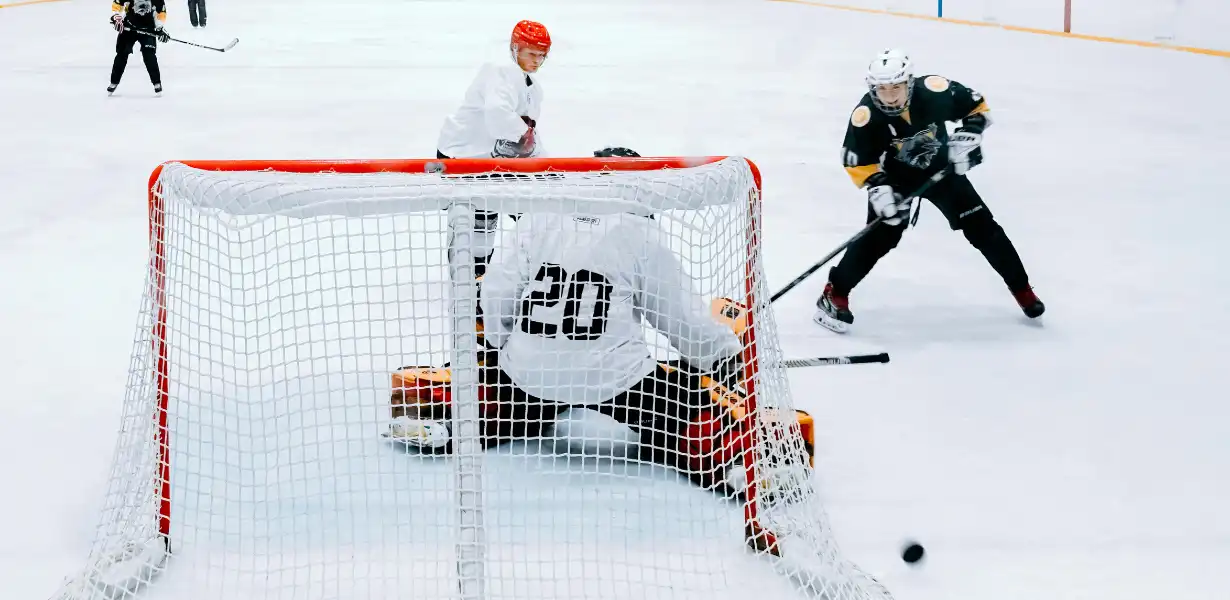
Every elite scorer in hockey has one thing in common: a dependable trigger they can lean on in crunch time. Developing a Reliable Go-To Shot isn’t about having the hardest slap shot in the rink. It’s about owning a shot you trust when the clock is winding down, the goalie is squared up, and the defense is collapsing.
Your go-to shot is your bread-and-butter. It’s the release you don’t overthink. The puck hits your blade, and you already know where it’s headed.
If you want to score consistently, Developing a Reliable Go-To Shot must become a priority in your training.
Choose the Right Shot for Your Playing Style
Not every player should build their identity around the same release. A power forward crashing the crease generates different chances than a winger attacking off the rush.
Common options include:
• Quick Snap Shot: Effective in tight space with minimal wind-up.
• Wrist Shot: Ideal for accuracy and changing shooting angles.
• One-Timer: Powerful option on the power play.
• Shot in Motion: Dangerous while attacking downhill.
When Developing a Reliable Go-To Shot, identify where you generate most of your scoring opportunities and refine the release that fits those situations.
Master Your Mechanics
Consistency comes from repeatable mechanics. Developing a Reliable Go-To Shot requires refining the fundamentals.
Hand Position
Your top hand drives control. Keeping it slightly away from your body creates leverage and allows the stick to load efficiently.
Weight Transfer
Shift your weight from your back leg to your front leg through the release. Proper weight transfer increases power and stabilizes accuracy.
Blade Contact
Striking the puck slightly toward the heel allows the shaft to flex and recoil. Modern composite sticks are engineered to store and release energy efficiently, producing explosive puck speed when loaded correctly .
Dial in Your Stick Setup
Developing a Reliable Go-To Shot doesn’t happen in isolation. Your stick setup directly influences release consistency.
Flex Rating
• Lower flex sticks require less force to load, making them easier to bend and often helping lighter or younger players achieve a quicker release.
• Higher flex sticks require more force to load properly and can produce greater shot power — if the player has the strength and technique to fully engage the shaft.
It’s important to understand that shot velocity is not determined by flex rating alone. Proper weight transfer, hand positioning, timing, and puck contact are equally critical. A player using the correct flex but failing to load the stick efficiently will not maximize performance.
When your flex aligns with both your strength level and shooting mechanics, the puck will feel more explosive off the blade, and your release will become more natural and repeatable. That alignment is a major component of Developing a Reliable Go-To Shot.
Blade Curve
The curve affects lift, accuracy, and puck control.
• Mid curve: Balanced for versatility and control.
• Toe curve: Helps elevate the puck quickly in tight scoring areas.
• Heel curve: Favors heavier shots from distance.
Curve preference is highly individual, but selecting one that complements your tendencies builds consistency — which is critical when Developing a Reliable Go-To Shot.
Train for Muscle Memory
A dependable go-to shot requires repetition. Muscle memory removes hesitation and speeds up execution.
Practice ideas:
• Target Shooting: Select specific corners and track accuracy.
• Catch-and-Release Drills: Receive passes and shoot in one motion.
• Lateral Movement Shots: Replicate in-game movement patterns.
Developing a Reliable Go-To Shot means practicing at game speed. Controlled reps refine mechanics. High-tempo reps build scoring ability.
Prioritize Accuracy
Raw power means little if the puck misses the net. Developing a Reliable Go-To Shot involves precision.
Focus on:
• Hitting specific corners
• Shooting through traffic
• Creating intentional rebound opportunities
• Adjusting release angles
Goalies react quickly. Accurate placement forces them to guess and move.
Build a Quick Release
Time and space shrink quickly in competitive hockey. A fast release prevents defenders from closing lanes.
To improve release speed:
• Reduce unnecessary wind-up.
• Keep hands active and prepared.
• Practice deceptive body positioning.
Developing a Reliable Go-To Shot includes disguising your intent and firing before defenders reset.
Situational Awareness
Scoring opportunities vary. Developing a Reliable Go-To Shot includes reading defenders and goaltenders.
Examples:
• Defender overcommits? Change shooting angle.
• Goalie leaning glove? Aim blocker side.
• Heavy traffic? Keep the shot low for rebounds.
Elite scorers process information instantly and adapt their release accordingly.
Confidence Under Pressure
Confidence separates average shooters from consistent scorers. Developing a Reliable Go-To Shot means trusting your mechanics even after a miss.
Miss high? Reset.
Hit the post? Stay aggressive.
Stopped by the goalie? Shoot again next shift.
Trust builds over time through repetition and preparation.
Off-Ice Development
Your shot improves away from the rink as well.
Strength Training
• Core strength improves rotational force.
• Leg drive increases stability and transfer of power.
• Forearm strength enhances puck control.
At-Home Shooting
Even short daily shooting sessions accelerate progress. Repetition builds neural efficiency and reinforces mechanics.
Developing a Reliable Go-To Shot requires consistent work both on and off the ice.
Measure Progress
Track performance indicators such as:
• Shooting percentage
• Release time
• Accuracy patterns
• Comfort level in high-pressure moments
Setting measurable targets speeds improvement and reinforces progress.
Making It Automatic
The real test of Developing a Reliable Go-To Shot comes late in the game when fatigue sets in.
The puck finds you in the slot.
No hesitation.
No second guessing.
Just execution.
When repetition, mechanics, equipment alignment, and confidence merge, your release becomes instinctive.
Final Buzzer
Developing a Reliable Go-To Shot is not about flash or highlight-reel moments. It is about repeatability, precision, and confidence under pressure.
When you refine your mechanics, align your equipment properly, train with purpose, and commit to repetition, you become a consistent scoring threat.
Put in the reps. Trust your setup. Own your release.
And when the puck lands on your blade, be ready.